



Biodiversity, ecology, evolution: a thematic issue
[Biodiversité, écologie, évolution : un numéro thématique]
Tatiana Giraud; Jean-Dominique Lebreton (éd.). Biodiversity, ecology, evolution: a thematic issue. Comptes Rendus. Biologies, Volume 347 (2024). doi: 10.5802/crbiol.sp.1
L’impact des activités humaines sur la planète est sans précédent, qu’il s’agisse du dérèglement climatique, de la destruction des habitats naturels, de la pollution (notamment des pesticides) ou de la surexploitation des ressources naturelles. Ces pressions ont sur les systèmes vivants des effets cumulatifs, voire synergiques, et à toutes les échelles. Ces impacts ont pour conséquences une érosion rapide de la biodiversité et des perturbations du fonctionnement des écosystèmes. Certains parlent désormais d’Anthropocène pour qualifier cette nouvelle ère sous influence des activités humaines. Si les causes et les effets des bouleversements climatiques commencent à être relativement bien quantifiés, les impacts des activités humaines sur la biodiversité et les écosystèmes restent plus difficiles à étudier, en raison de la complexité des systèmes écologiques et évolutifs, incluant de nombreuses interactions, des rétroactions et des dynamiques complexes.
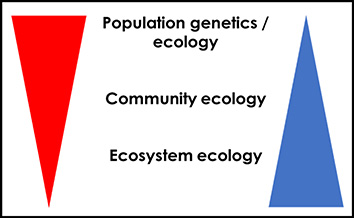
Les contributions réunies dans ce numéro thématique illustrent cette complexité, en traitant des effets des changements globaux sur la biodiversité à différentes échelles d’organisation, des gènes et populations jusqu’aux écosystèmes et aux systèmes socio-écologiques. Ces articles peuvent également être vus comme des contributions fortes à la recherche fondamentale en écologie par leur focalisation sur les mécanismes, alors même que les activités humaines constituent une quasi-expérience sans précédent.
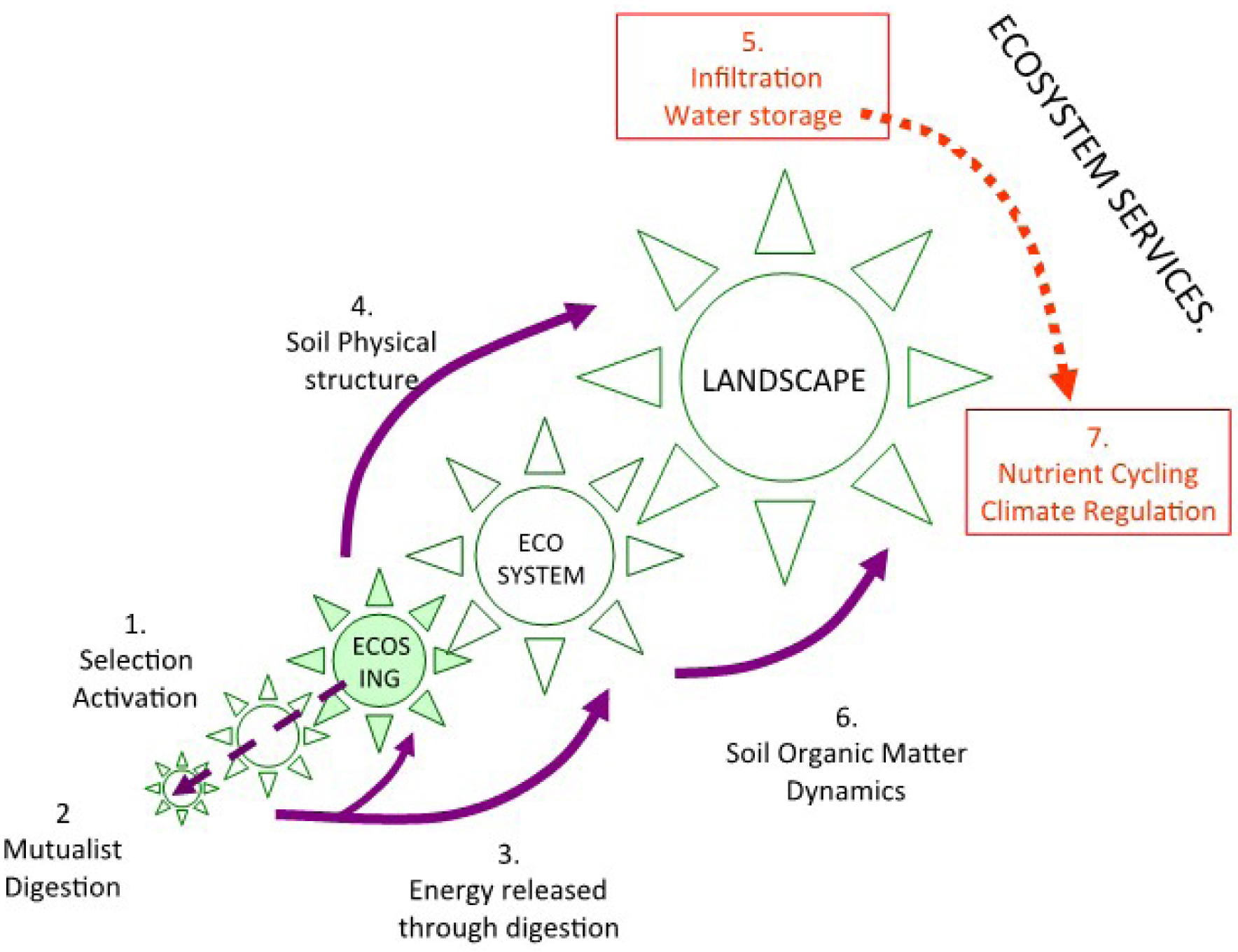
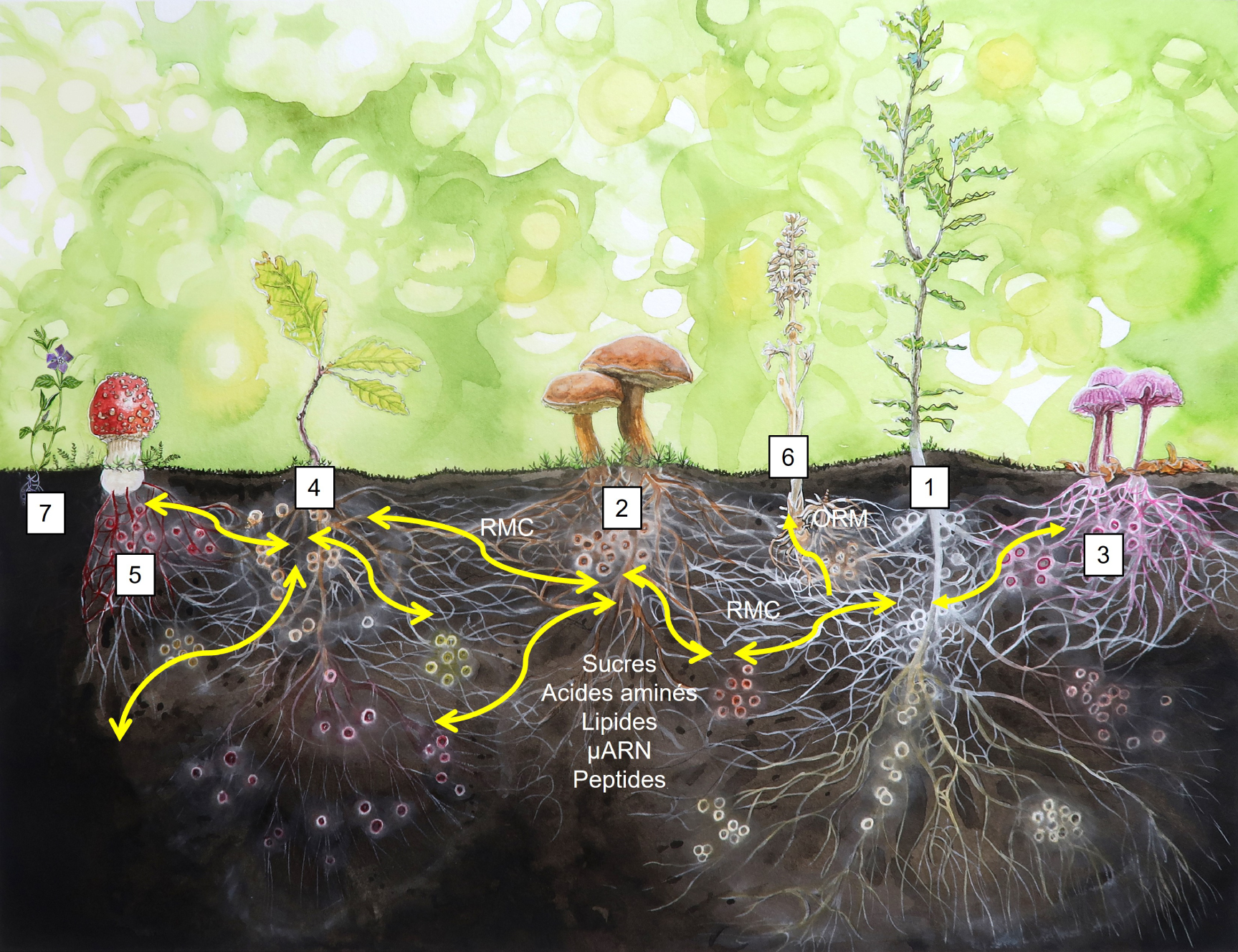
Ainsi, plusieurs articles (Lavelle, 2025 ; Martin, 2025) mettent en évidence le rôle central des sols, comme support de la production agricole, réservoir de biodiversité et régulateur des grands cycles biogéochimiques. Les pratiques de gestion des sols apparaissent déterminantes pour maintenir les services écosystémiques essentiels qu’ils assurent, de la fertilité des sols à la régulation du climat. Les communautés de macroinvertébrés du sol sont proposées comme indicatrices de ces services écosystémiques, offrant une mesure opérationnelle peu coûteuse, au service de politiques publiques favorisant des modes de production agricoles durables.
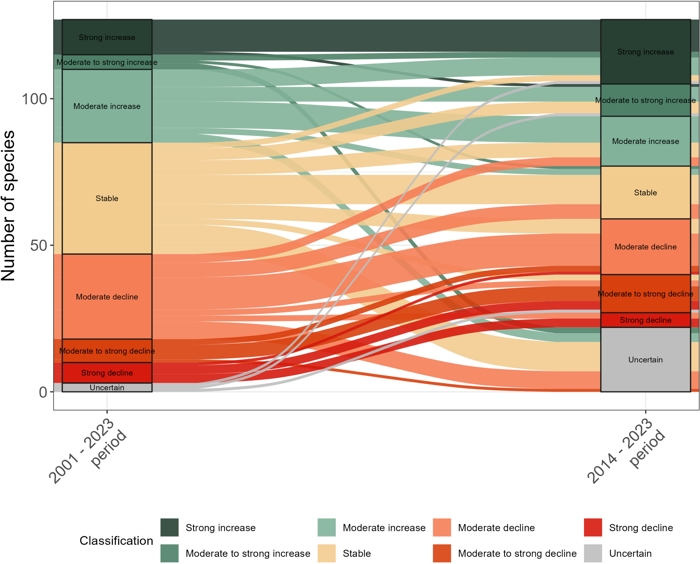
L’analyse des dynamiques des différentes composantes de la biodiversité à partir de dispositifs d’observation sur le long terme est au cœur de plusieurs articles, montrant leur importance pour évaluer les dynamiques de biodiversité. Vimont et al. montrent comment les sciences participatives rendent possible la détection de tendances dans la dynamique des populations d’espèces d’oiseaux et de plantes en France, fournissant des indicateurs fondamentaux pour le suivi de la biodiversité et les politiques publiques (Vimont et al., 2025). L’article consacré au réseau ORCHAMP (Thuiller et al., 2024) illustre l’intérêt du suivi de la biodiversité et du fonctionnement des écosystèmes en milieu montagnard, associant gradients environnementaux, mesures in situ, télédétection et nouvelles méthodologies comme l’analyse de l’ADN environnemental.
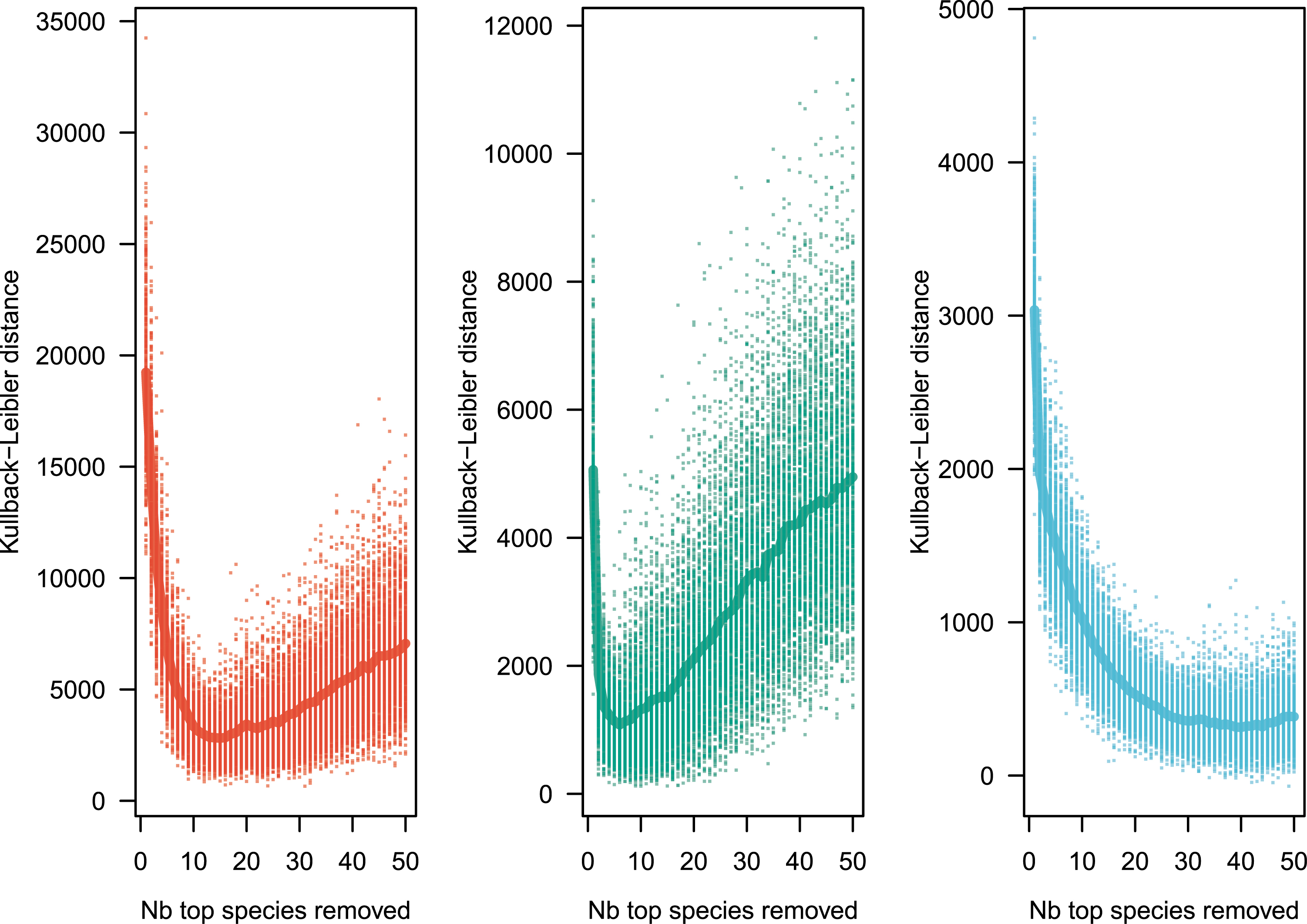
Plusieurs contributions (Thuiller et al., 2024 ; Chave, 2024, et l’article compagnon de Sandra Lavorel paru dans les Comptes Rendus Géoscience, Lavorel, 2025) documentent les liens entre biodiversité, fonctionnement des écosystèmes et bouleversements climatiques, en utilisant les concepts issus de la théorie des systèmes complexes. Ces articles soulignent comment des événements climatiques extrêmes, combinés à d’autres facteurs de perturbation, peuvent générer de profondes transformations des écosystèmes, avec des réponses non linéaires et des points de bascule. De telles dynamiques peuvent perturber les services écosystémiques dont les sociétés humaines dépendent. Des écosystèmes en bonne santé sont notamment indispensables pour l’atténuation des bouleversements climatiques, dans le cadre de solutions fondées sur la nature.
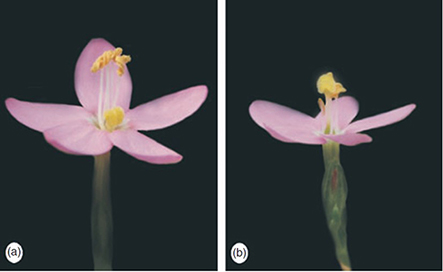
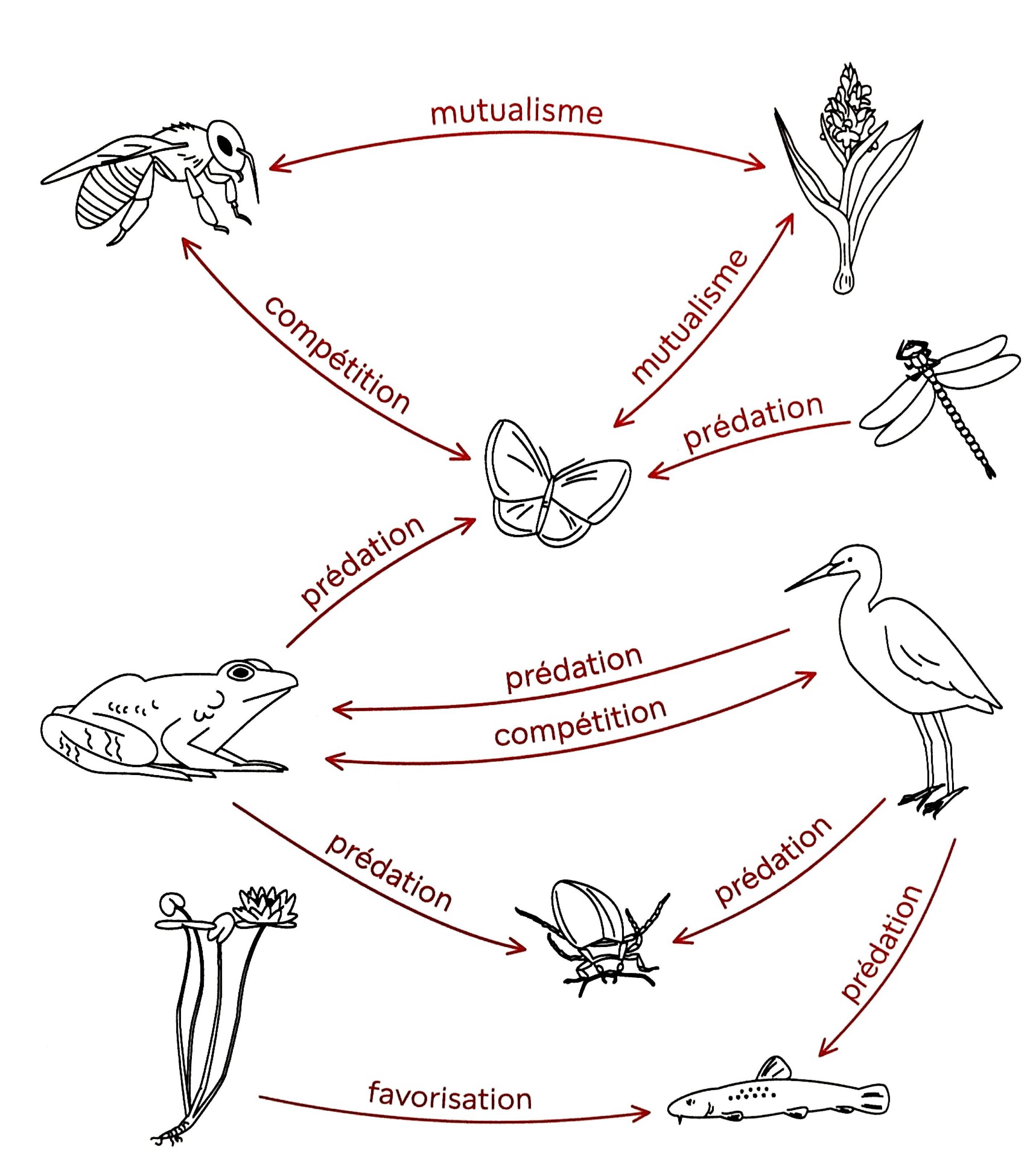
D’autres articles (Cheptou, 2024 ; Thomas et al., 2024 ; Debat et al., 2025) adoptent quant à eux une perspective éco-évolutive, rappelant que la crise actuelle de la biodiversité ne se limite pas aux extinctions d’espèces, mais affecte aussi la diversité génétique, qui conditionne pourtant les capacités d’adaptation des populations. Les changements globaux modifient les régimes de sélection et peuvent entraîner des réponses évolutives rapides, parfois en quelques dizaines de générations cette convergence du temps évolutif et du temps écologique est un des résultats scientifiques majeurs des dernières décennies. L’évolution des systèmes de reproduction chez les plantes en réponse à la disparition des pollinisateurs illustre l’ampleur des modifications dans les relations écologiques et évolutives, montrant comment la rupture d’interactions entre espèces peut mener à des changements évolutifs rapides, qui entraînent eux-mêmes des conséquences écologiques importantes. Un autre exemple des liens entre processus évolutifs et fonctionnement des écosystèmes est fourni par l’étude des interactions entre espèces chez les papillons Morpho. Des convergences adaptatives de coloration combinées avec des divergences comportementales permettent une coexistence en sympatrie et probablement même des spéciations.
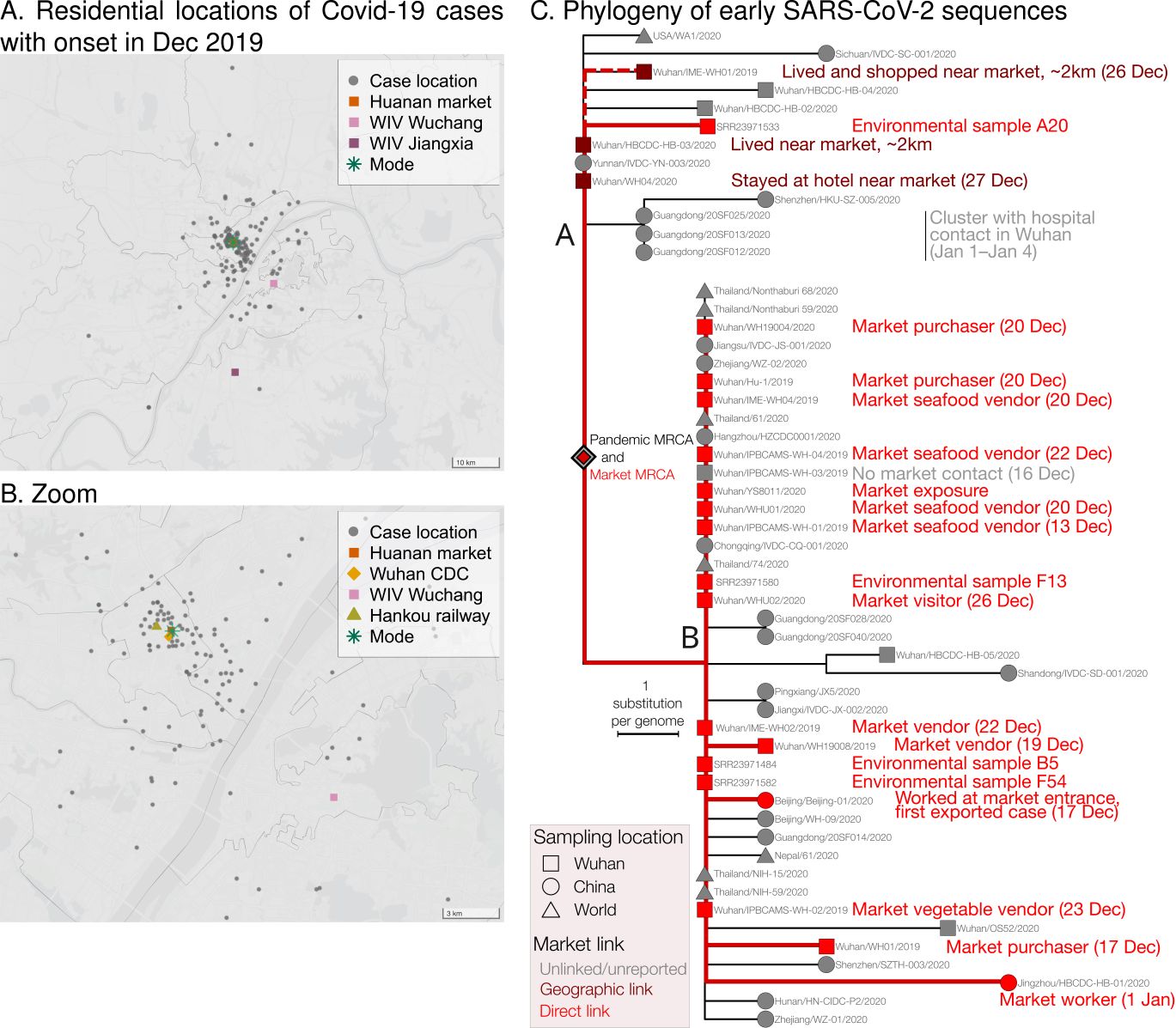
La dimension évolutive est également essentielle pour éclairer des enjeux sociétaux actuels sur les maladies, comme celle de l’origine du SARS-CoV-2 2 (Débarre and Hensel, 2025). En replaçant certaines caractéristiques du virus dans le cadre général des mécanismes évolutifs, ces travaux montrent comment l’évolution naturelle peut produire des signatures interprétées par certains comme artificielles, soulignant l’importance d’un débat public rigoureux fondé sur la biologie évolutive. Les maladies émergentes actuelles sont un autre aspect des changements globaux actuels, favorisées par les activités humaines, et qui menacent à la fois la biodiversité et la santé humaine. D’autre part, l’article de Thomas et al. ouvre des voies nouvelles en replaçant les processus oncogéniques dans une approche d’écologie évolutive, démontrant que le cancer, un milieu longtemps absent du champ écologique, peut aujourd’hui s’étudier dans le cadre des trajectoires évolutives des espèces et dans celui du fonctionnement des écosystèmes (Thomas et al., 2024).
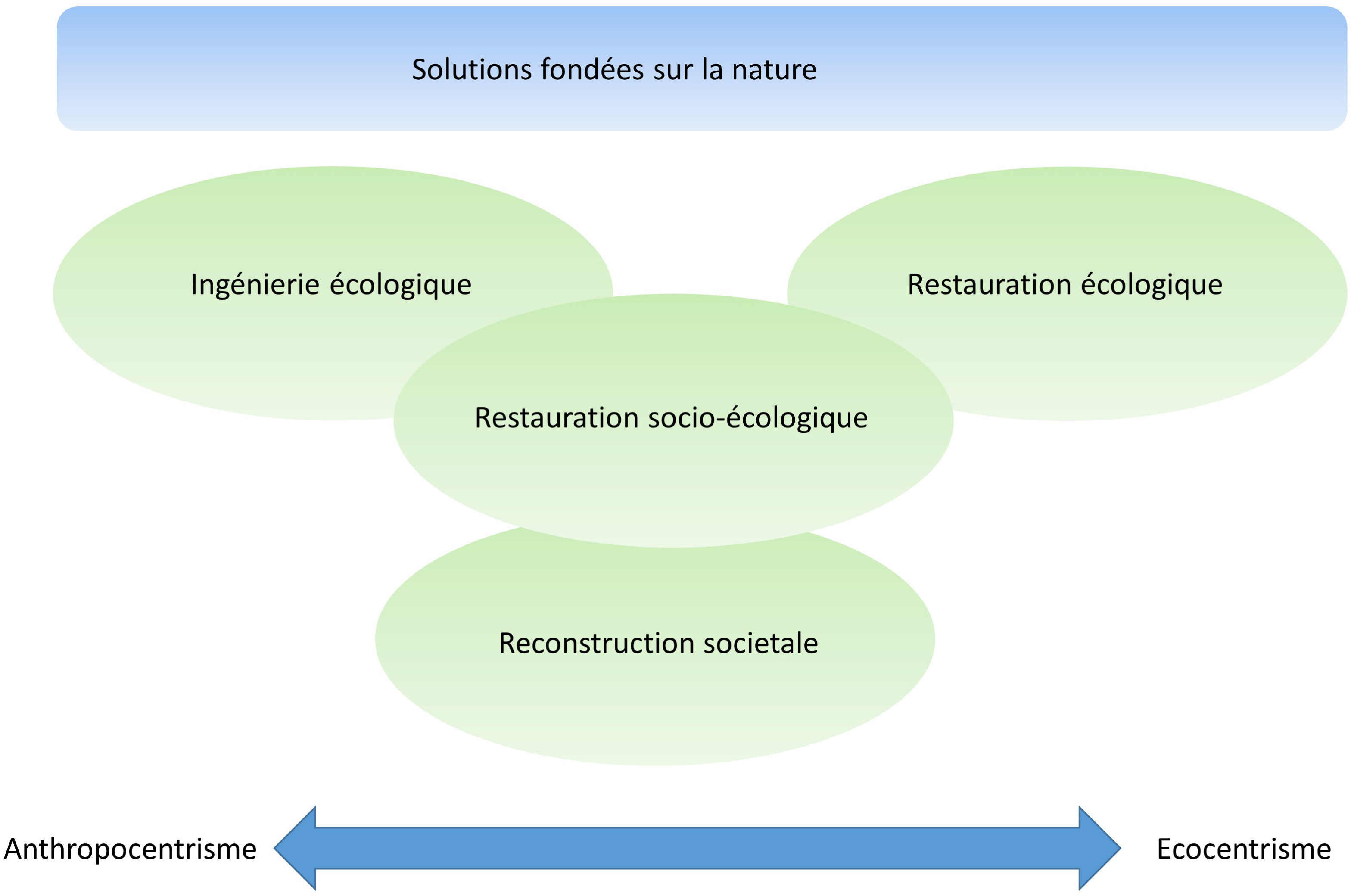
Ce numéro traite également de questions conceptuelles et épistémologiques importantes, notamment autour de la définition même de la biodiversité (Jarne, 2025 ; Lecointre, 2024). Or, clarifier ces concepts apparaît indispensable, à la fois pour la recherche et pour l’action publique, afin de mieux comprendre ce qui relève de la caractérisation de la biodiversité per se et ce qui concerne les interactions entre espèces. Plusieurs contributions (Frascaria-Lacoste et al., 2025 ; Vimont et al., 2025 ; Mathevet and Mounet, 2026) interrogent également les modalités de restauration des écosystèmes anthropisés et les conditions d’une mise en œuvre des solutions fondées sur la nature. Le concept de restauration socio-écologique est proposé comme un cadre permettant de combiner des objectifs écologiques, sociaux et culturels, notamment en milieu urbain, avec des exemples concrets de projets impliquant les communautés humaines.
Pour terminer, les dynamiques agricoles et alimentaires sont traitées avec l’exemple des systèmes de polyculture traditionnels (Vazeux-Blumental et al., 2024), et notamment celui de la milpa, qui illustre le potentiel des interactions positives entre espèces pour améliorer la résilience, la productivité et la durabilité des agroécosystèmes. Ce type de travaux montre que la transition agroécologique ne doit pas attendre des innovations techniques, mais peut se fonder sur la redécouverte et l’adaptation de systèmes anciens, tout en tenant compte des contraintes actuelles, notamment en matière de sélection variétale et de mécanisation.
Dans leur ensemble, les articles de ce numéro thématique soulignent que les crises de la biodiversité et du climat sont intimement liées, et que la compréhension de causes et des impacts de l’effondrement de la biodiversité nécessite des approches combinant écologie, évolution et sciences sociales. Ce numéro complète un autre numéro spécial des Comptes Rendus Biologies, plus spécifiquement dédié à l’évolution, en montrant que les processus évolutifs ne constituent pas un arrière-plan lointain, mais un moteur central des réponses du vivant face aux bouleversements actuels. Tous ces travaux contribuent à une meilleure compréhension des effets des changements globaux sur la biodiversité et les écosystèmes, fournissant un socle scientifique pour identifier des trajectoires de transition capables de préserver à la fois la biodiversité et le bien-être des sociétés humaines.
Les travaux ainsi présentés, sans prétendre à l’exhaustivité, témoignent du dynamisme et de l’excellence de la recherche française en écologie et en biologie évolutive, reconnue internationalement pour sa capacité à combiner approches fondamentales, innovations méthodologiques et réponses aux enjeux actuels. Ils s’inscrivent dans une tradition scientifique française forte, qui combine observations de terrain sur le long terme, expérimentation, modélisation théorique et analyses génomiques. De la compréhension fine du fonctionnement des sols et des services écosystémiques à l’étude des dynamiques éco-évolutives aux prises avec les changements globaux, ces recherches témoignent de la capacité des équipes françaises à produire de nouveaux cadres conceptuels, comme les approches sur les services écosystémiques, les perspectives éco-évolutives intégrées, ou encore l’application de la théorie des systèmes complexes à la biodiversité. Enfin, ces travaux témoignent de l’implication forte de la communauté scientifique française dans les débats sociétaux, qu’ils portent sur la transition agroécologique, les solutions fondées sur la nature, la restauration socio-écologique des milieux urbains ou les inférences sur les origines et l’évolution des agents pathogènes émergents. En combinant excellence scientifique, interdisciplinarité et dialogue avec les acteurs publics et citoyens, la recherche française affirme ainsi son rôle moteur dans la production de connaissances robustes, utiles à la décision et porteuses de transformations durables.
Tatiana Giraud et Jean-Dominique Lebreton
----------
A consulter également, un article à propos du rôle de la biodiversité dans la résilience des écosystèmes publié dans les CR Géoscience :
Ecosystem transformation by climate change and its consequences for human
[Transformation des écosystèmes par le changement climatique et ses conséquences pour les humains]
Sandra Lavorel
[Abondance des espèces, modèles d’urnes et neutralité]

[Évaluation de théories sur l’origine du SARS-CoV-2 à la lumière de son évolution]

[Convergences et divergences évolutives chez les espèces sympatriques : le cas des papillons Morpho]
[L’anthropocène et la crise de la biodiversité : une perspective éco-évolutive]
[Les invertébrés, acteurs et indicateurs des services écosystémiques du sol]
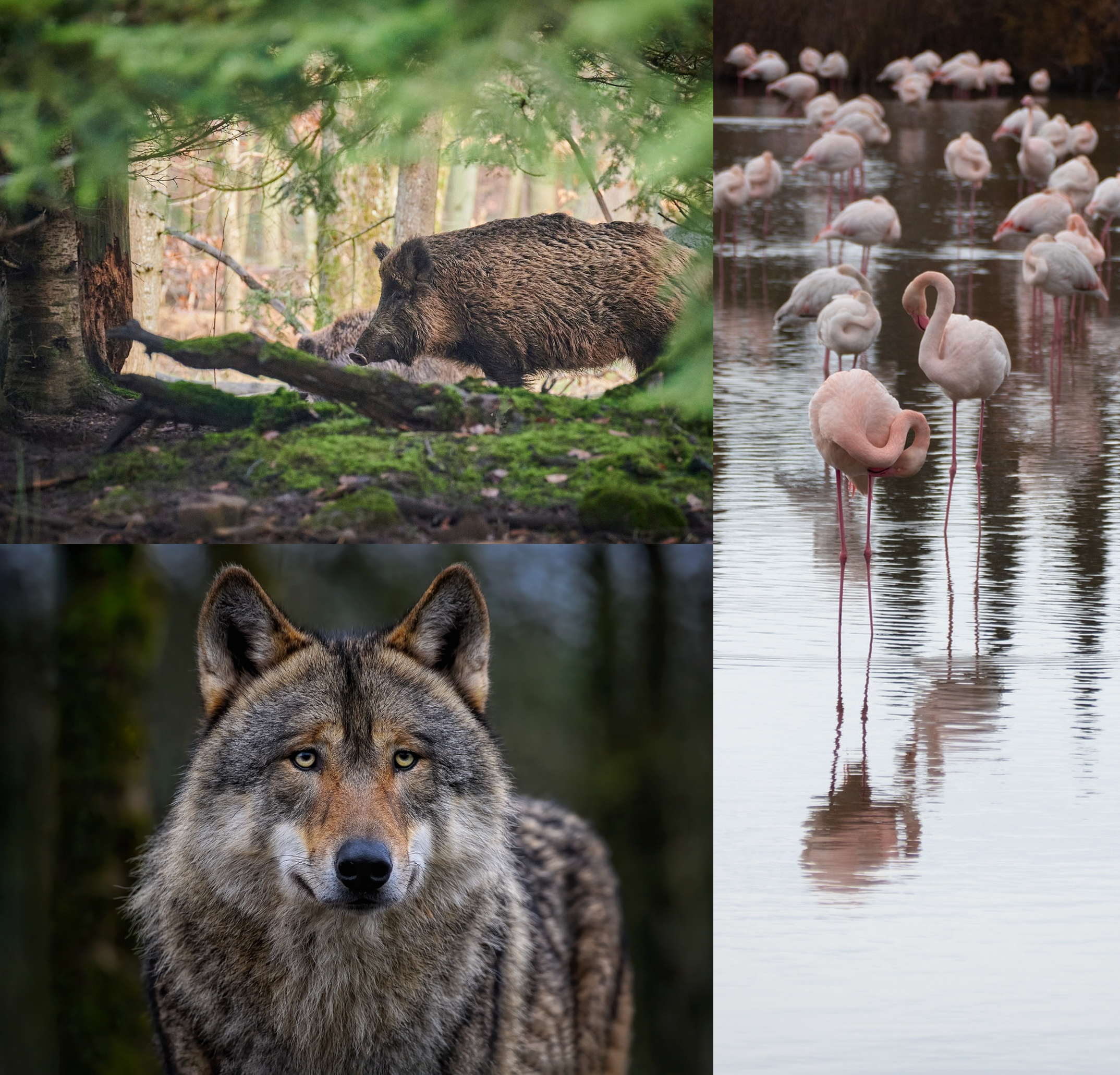
[Gouverner la biodiversité : solidarité, justice et réciprocité dans la gestion de la faune sauvage]
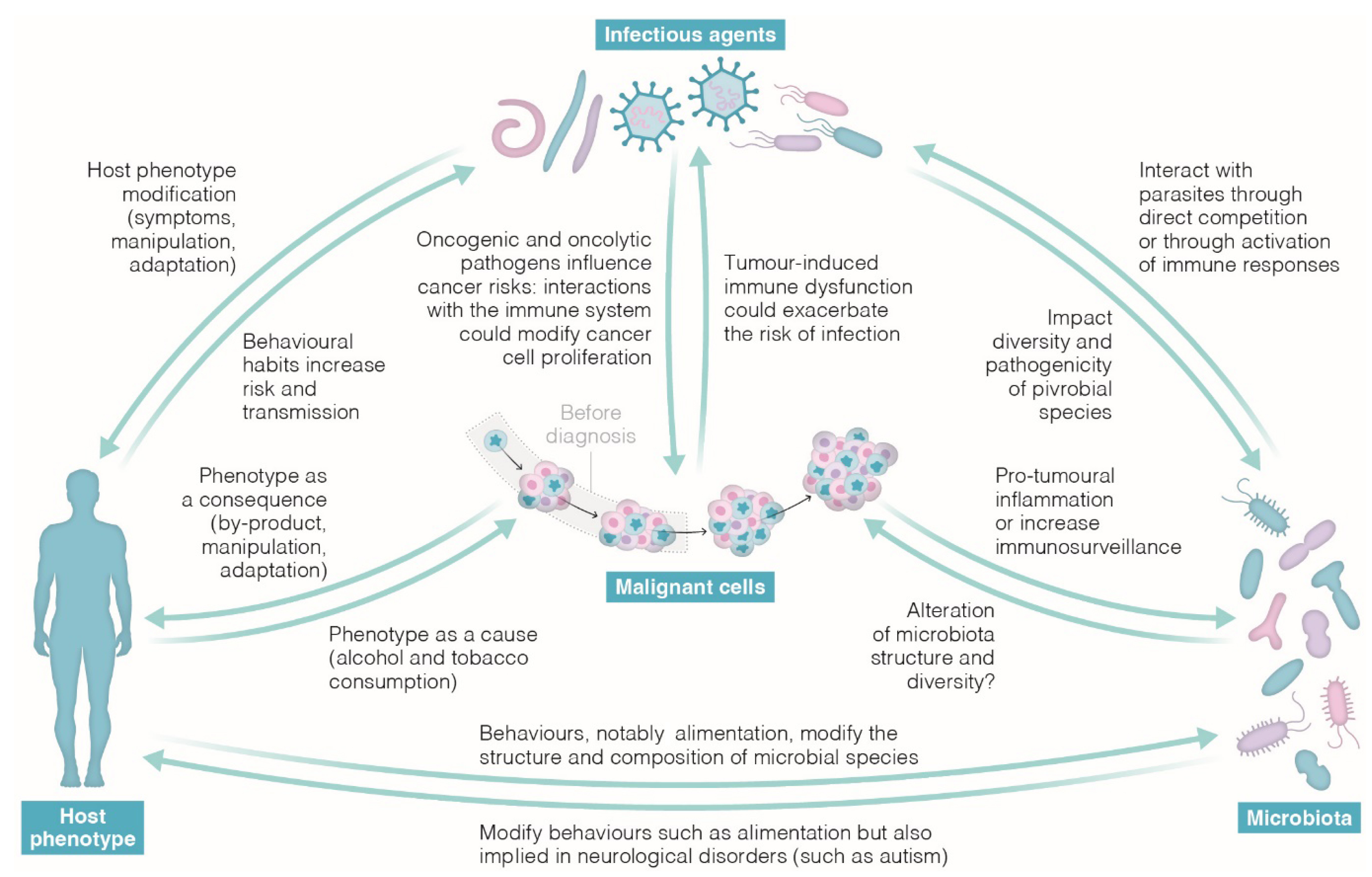
[Les processus oncogéniques : un paramètre négligé dans l’écologie évolutive des animaux]
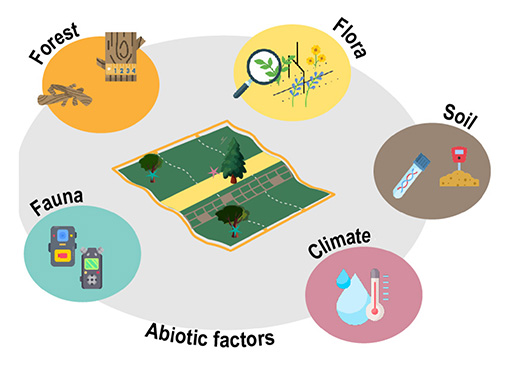
[ORCHAMP : un observatoire à long terme dédié au suivi de la biodiversité et du fonctionnement des écosystèmes au travers des régions de montagnes]
 Amélie Saillard ;
Sylvain Abdulhak ;
Vincent Augé ;
Carole Birck ;
Richard Bonet ;
Philippe Choler ;
Anne Delestrade ;
Georges Kunstler ;
Marie-France Leccia ;
Bertrand Lienard ;
Jérome Poulenard ;
Jean-Gabriel Valay ;
Arthur Bayle ;
Nicolas Bonfanti ;
Lenka Brousset ;
Léa Bizard ;
Irene Calderón-Sanou ;
Cédric Dentant ;
Camille Desjonquères ;
Ludovic Gielly ;
Maya Guéguen ;
Frédéric Guiter ;
Mickael Hedde ;
Eric Hustache ;
Norine Kedhim ;
Pierre Lapenu ;
Nicolas Le Guillarme ;
Lise Marchal ;
Chloé Mahieu ;
Gabrielle Martin ;
Camille Martinez-Almoyna ;
Vincent Miele ;
Jérôme Murienne ;
Yoan Paillet ;
Maxime Rome ;
Julien Renaud ;
The Orchamp Consortium
Amélie Saillard ;
Sylvain Abdulhak ;
Vincent Augé ;
Carole Birck ;
Richard Bonet ;
Philippe Choler ;
Anne Delestrade ;
Georges Kunstler ;
Marie-France Leccia ;
Bertrand Lienard ;
Jérome Poulenard ;
Jean-Gabriel Valay ;
Arthur Bayle ;
Nicolas Bonfanti ;
Lenka Brousset ;
Léa Bizard ;
Irene Calderón-Sanou ;
Cédric Dentant ;
Camille Desjonquères ;
Ludovic Gielly ;
Maya Guéguen ;
Frédéric Guiter ;
Mickael Hedde ;
Eric Hustache ;
Norine Kedhim ;
Pierre Lapenu ;
Nicolas Le Guillarme ;
Lise Marchal ;
Chloé Mahieu ;
Gabrielle Martin ;
Camille Martinez-Almoyna ;
Vincent Miele ;
Jérôme Murienne ;
Yoan Paillet ;
Maxime Rome ;
Julien Renaud ;
The Orchamp Consortium
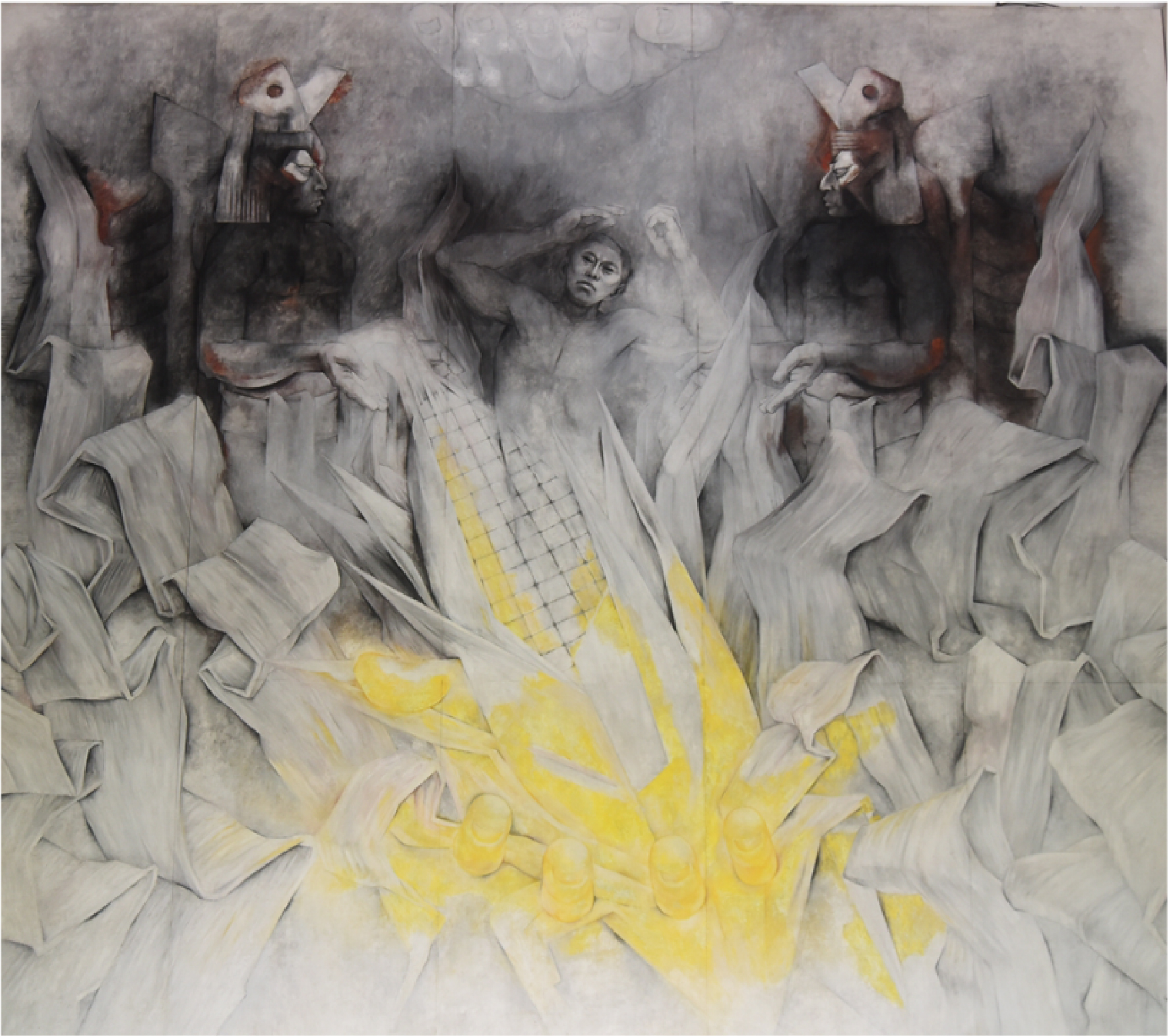
[La milpa, de la Méso-Amérique à nos jours, un système agricole traditionnel au service de l’agroécologie]
[Produire les tendances de populations en routine à partir de suivis participatifs de biodiversité : une application aux espèces communes d’oiseaux et de plantes en France métropolitaine]
Bibliographie
Chave, J., “Species abundance, urn models, and neutrality”, CR. Biol. 347 (2024), pp. 119–135. https://doi.org/10.5802/crbiol.162.
Cheptou, P.-O., “Évolution des systèmes de reproduction chez les plantes face aux changements globaux”, CR Biol. 347 (2024), pp. 95–107. https://doi.org/10.5802/crbiol.160.
Débarre, F. and Z. Hensel, “Theories of the origin of SARS-CoV-2 in the light of its continuing evolution”, CR Biol. 348 (2025), pp. 189–209. https://doi.org/10.5802/crbiol.183.
Debat, V., M. López-Villavicencio and V. Llaurens, “Evolutionary convergences and divergences in sympatric species: Morpho butterflies as a case study”, CR Biol. 348 (2025), pp. 137–148. https://doi.org/10.5802/crbiol.178.
Frascaria-Lacoste, N., P.-A. Versini, C. Duffaut and J. Fernández-Manjarrés, “La restauration socio-écologique, une transposition concrète du concept normatif des solutions fondées sur la nature ?”, CR Biol. 348 (2025), pp. 55–69. https://doi.org/10.5802/crbiol.175.
Jarne, P., “The Anthropocene and the biodiversity crisis: an eco-evolutionary perspective”, CR Biol. 348 (2025), pp. 1–20. https://doi.org/10.5802/crbiol.172.
Lavelle, P., “Soil macroinvertebrates, actors and indicators of soil-based ecosystem services”, CR Biol. 348 (2025), pp. 275–285. https://doi.org/10.5802/crbiol.186.
Lavorel, S., “Ecosystem transformation by climate change and its consequences for humans”, CR Géosci 357 (2025), pp. 489–501. https://doi.org/10.5802/crgeos.303.
Lecointre, G., “La biodiversité : un besoin de clarification”, CR Biol. 347 (2024), pp. 175–180. https://doi.org/10.5802/crbiol.163.
Martin, F., “Les communautés fongiques des sols forestiers face aux changements climatiques”, CR Biol. 348 (2025), pp. 167–181. https://doi.org/10.5802/crbiol.179.
Mathevet, R. and C. Mounet, “Governing biodiversity: solidarity, justice and reciprocity in wildlife management”, CR Biol. 349 (2026), pp. 1–25. https://doi.org/10.5802/crbiol.190.
Thomas, F., K. Asselin, N. MacDonald, L. Brazier, J. Meliani, B. Ujvari and A.M. Dujon, “Oncogenic processes: a neglected parameter in the evolutionary ecology of animals”, CR Biol. 347 (2024), pp. 137–157. https://doi.org/10.5802/crbiol.159.
Thuiller, W., A. Saillard, S. Abdulhak et al., “ORCHAMP: an observation network for monitoring biodiversity and ecosystem functioning across space and time in mountainous regions”, CR Biol. 347 (2024), pp. 223–247. https://doi.org/10.5802/crbiol.165.
Vazeux-Blumental, N., D. Manicacci and M. Tenaillon, “The milpa, from Mesoamerica to present days, a multicropping traditional agricultural system serving agroecology”, CR Biol. 347 (2024), pp. 159–173. https://doi.org/10.5802/crbiol.164.
Vimont, M., L. Bartholus, Y. Bas et al., “Routine production of population trends from citizen science data: insights into the dynamics of common bird and plant species in France”, CR Biol. 348 (2025), pp. 229–247. https://doi.org/10.5802/crbiol.184.