




 CC-BY 4.0
1. Introduction
Endoperoxides are a special class of natural products found in many types of organisms. Up to one thousand different compounds have been reported so far [1, 2, 3]. Their role is diverse, often serving as a means of defense for the host that produces them, but they are also precursors of important biomolecules, such as prostaglandins. The value of endoperoxides has been demonstrated in antiparasitic chemotherapy; artemisinin and its semi-synthetic derivatives have become major drugs in the fight against malaria. The reactivity of the peroxide function explains bioactivities reported for this class of compounds, including antiviral, antibacterial, and antifungal properties.
The most commonly found scaffolds are 1,2-dioxolanes and 1,2-dioxanes, which are widely represented in natural products (Figure 1). However, the natural occurrence of 1,2-dioxolanes is lower than that of 1,2-dioxanes, probably due to a higher instability of the five-membered heterocycle (around 2.5 kcal/mol difference). Thus, 1,2-dioxolanes are essentially represented in sponges by the plakinic acid subclass of compounds, from which many natural analogs have been isolated and are differentiated by their side chain and stereochemistry. Other 1,2-dioxolanes can be found in terpene derivatives from plants such as arteincultone or tehranolide. Nevertheless, the most interesting example concerns mycangimicyn, a heptaenic fatty acid featuring a 1,2-dioxolane ring at the 3,5-position [4, 5]. This compound was discovered and isolated from a pine beetle–Streptomyces mutualism, and showed high antimalarial and antifungal activity (EC50 = 17 ng/mL on P. falciparum, MIC = 0.2 mg/mL on C. albicans).
Selected examples of natural endoperoxides.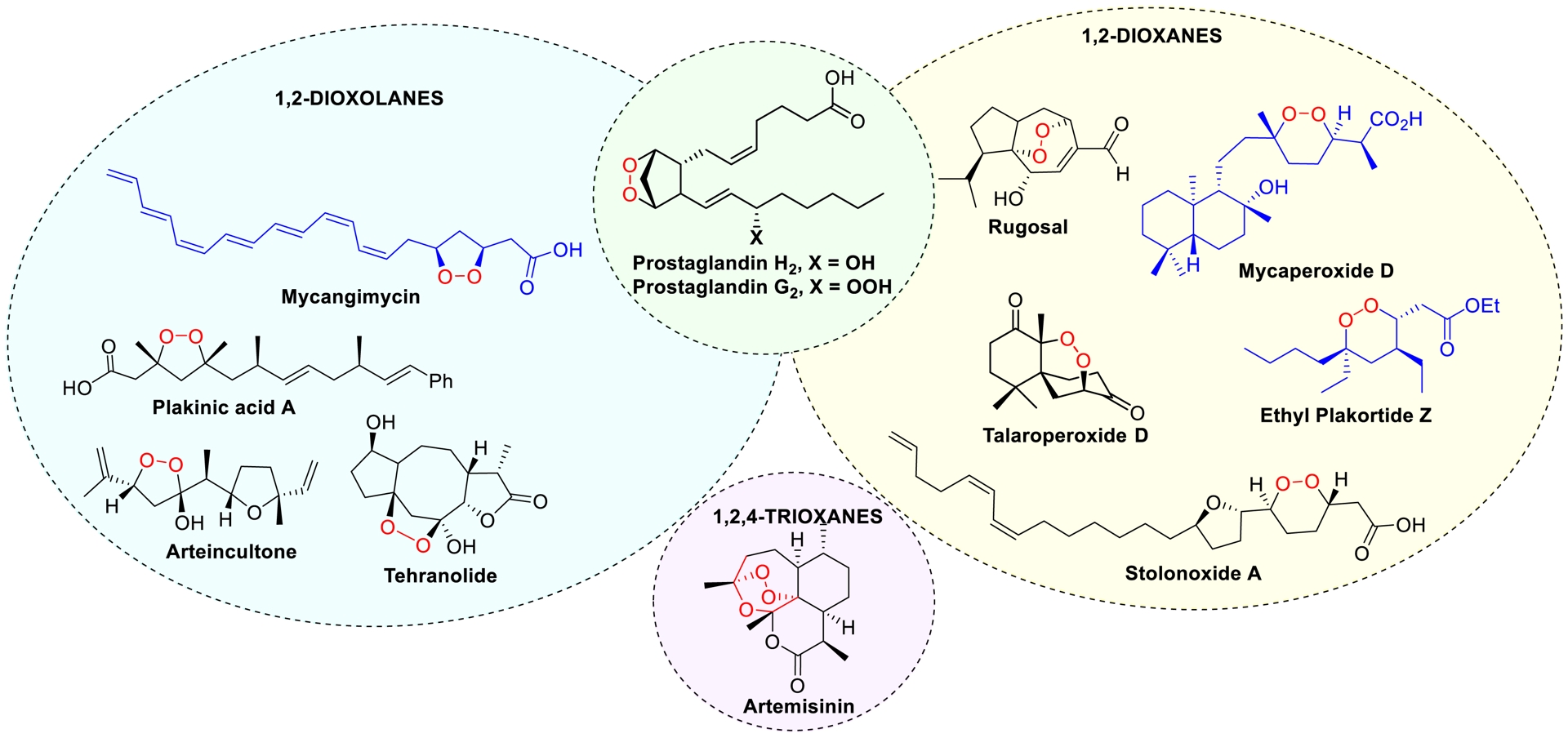
1,2-Dioxanes, on the other hand, are prevalent in all types of living organisms. Examples include rugosal in plants, talaroperoxides in fungi, stolonoxides in tunicates, and mycaperoxides and plakortides in sponges. The last two families of natural products were found in the Mycale and Plakortis genera. Mycaperoxides exhibit antiviral and ichthyotoxic properties, while plakortides exhibit antifungal, antimalarial, and cytotoxic properties. These properties explain their role as antifouling agents. These two endoperoxide families differ in their structural features. On the one hand, mycaperoxides have a sesquiterpene subunit that differentiates the various analogs and exhibit a trisubstituted 1,2-dioxane with a propionic acid residue. Plakortides, on the other hand, are mainly characterized by ethyl groups at positions 4 and 6, and the naturally occurring analogs are principally distinguished by their fatty chains, which have different lengths with or without unsaturations. The relative and absolute configurations also vary among the different analogs of both mycaperoxides and plakortides.
The total synthesis of endoperoxides is a relatively underexplored field, despite numerous reports of natural product isolation and potential biological activities [6, 7, 8]. One of the main reasons is obviously the fragility of the peroxyl bond, inherent to this family of products, which imposes limitations on the feasible reactions. The second probable reason is the limited number of methods available for synthesizing these compounds. In particular, few methods are available for accessing chiral peroxyl bonds, accentuating the difficulty of total synthesis. In this article, we summarize our work over the past decade on the synthesis of 1,2-dioxolanes and 1,2-dioxanes, highlighting total synthesis of endoperoxides as a a central theme. Our initial efforts focused on developing new tools and strategies for the synthesis of 1,2-dioxolanes, with the aim of obtaining mycangimycin and/or simpler analogs. Subsequently, our work expanded to the synthesis of 1,2-dioxanes aiming to address new synthetic challenges, illustrated in the total synthesis of several mycaperoxides and ethyl plakortide Z. The synthesis of endoperoxides reached a new dimension with the development of new asymmetric methods based on chiral counteranion-directed catalysis.
The strategy that we developed for the synthesis of endoperoxides comprises two key steps (Scheme 1). Primary, the insertion of molecular oxygen into a strained cyclopropanol or cyclobutanol is catalyzed by cobalt or manganese, which abstracts a hydrogen atom from the hydroxy group, generating alkoxy radicals that readily open due to ring strain. The resulting alkyl radicals can readily trap triplet oxygen and further cyclize to form endoperoxyketals or acetals. The second crucial step involves the activation of this function with a Lewis acid to promote a reactive peroxycarbenium species, which can then be trapped in situ by neutral silylated nucleophiles. The orientation of the addition is controlled by the conformation of the peroxycarbenium ion but can also be controlled at a higher level through counteranion-directed catalysis.
General strategy toward the synthesis of 1,2-dioxolanes and 1,2-dioxanes.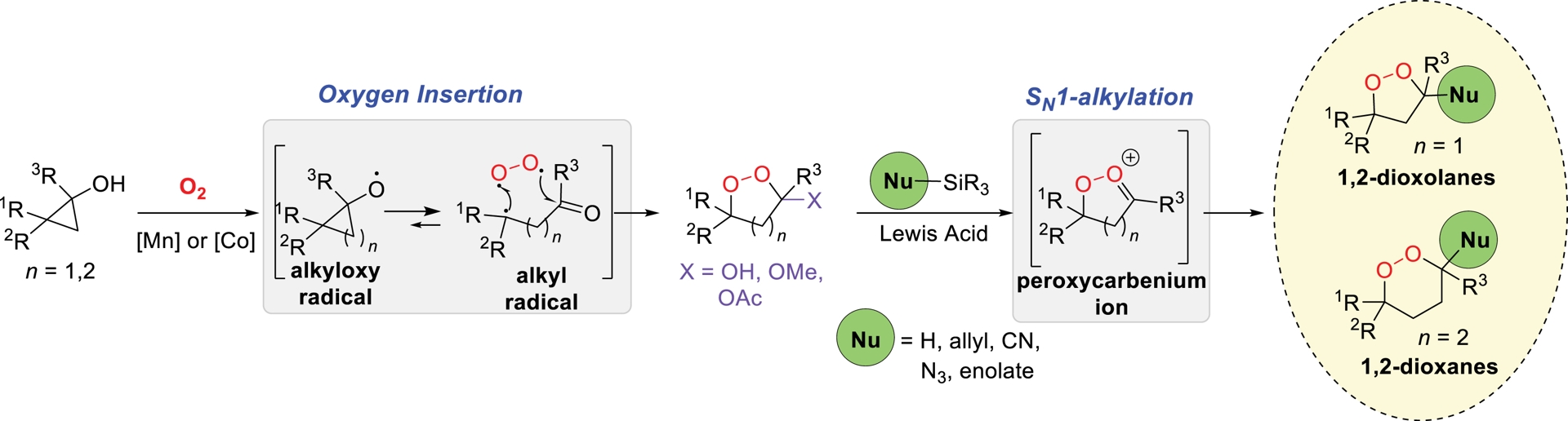
2. Synthesis of 1,2-dioxolanes
2.1. First study toward mycangimycin
When we started our studies on the synthesis of endoperoxides, we were attracted to mycangimycin, whose 1,2-dioxolane is highly similar to the THF ring, a heterocycle that has been intensively studied in our laboratory in past years [9]. The polyenic chain was presumably unstable, and we believed at the time that the antimalarial activity of mycangimycin could be attributed to the endoperoxide ring, while the antifungal activity would come from the polyenic chain, in a manner similar to amphotericin B, for instance. However, the total synthesis of mycangimycin still constitutes a challenge. On the one hand, the synthetic access to the chiral endoperoxide core requires the development of new methods. On the other hand, synthesizing the polyenic chain appears to be unattainable due to presumed instability. Some preliminary works have indeed shown that the synthesis of polyenes with defined E or Z stereochemistry becomes increasingly challenging after three or four conjugated double bonds. Thus, it was preferred to focus on the synthesis of the endoperoxide, designing a strategy to access saturated analogs of mycangimycin and evaluate their biological properties. For this reason, access to chiral endoperoxides was not a target at this stage; indeed, given the lack of appropriate methods, this was beyond the scope of this study.
After numerous pioneering experiments, it was discovered that the peroxidation of cyclopropanol is a convenient method for accessing the 1,2-dioxolane scaffold. Earlier reports indicated that cobalt [10] and manganese [11] catalysis promote this transformation. Cyclopropanol 2 could be obtained in high yield through the Kulinkovich reaction between alkene 1 and methyl palmitate, utilizing Cha’s protocol, which enabled titanocene metathesis at the terminal double bond [12] (Scheme 2). Oxygen insertion in cyclopropanol 2 proceeded in high yield following a procedure by Wu [10] that reported the use of Co(acac)2 in EtOH. The remaining OH group in 1,2-dioxolane 3 was reduced with Et3SiH and TfOH activation, via a peroxycarbenium intermediate [13]. By this route, the cis configuration was predominantly obtained (dr = 83:17), with the hydride reacting on the less hindered face. Fluoride cleavage of the TBDPS group (tert-butyldiphenylsilyl) and ruthenium-catalyzed oxidation afforded 6, a racemic and saturated analog of mycangimicyn.
Synthesis of the saturated analog of mycangimycin.
2.2. Alkylation of 1,2-dioxolanyl acetates
Although the strategy used provided, in a few steps, a simplified analog of mycangimycin, it lacked flexibility because the Kulinkovitch reaction was not compatible with multiple unsaturations or proximal steric hindrance [14]. Inspired by Dussault and Woerpel’s pioneering works [15, 16, 17], it was found that endoperoxyacetals could serve as an excellent platform for gaining molecular diversity in the synthesis of 3,5-disubstituted-1,2-dioxolanes [18]. Indeed, it would be possible to generate peroxycarbenium ions from these precursors, which could be alkylated by various neutral silylated nucleophiles. However, it is more challenging to obtain these reactive species than regular oxycarbenium ions due to the electronegativity of the second oxygen, which decreases the donor effect required for stabilization (Figure 2). The relative stability of different oxy- and peroxycarbenium species was calculated using DFT (B3LYP/6-311G++(d,p) level of theory), revealing a significant impact of this phenomenon, with energy differences ranging from 13.4 to 21.5 kcal/mol compared to regular oxycarbenium species. The specific cyclic constraint of 1,2-dioxolane peroxycarbenium ions also makes this species more difficult to produce. The direct consequence was the difficulty of synthesizing methoxyperoxyacetal 9a–i and subsequently making it react (Scheme 3); we thus turned our attention to the synthesis of acetoxy derivatives 8a–i (Scheme 3) [19, 20]. Acetoxy is indeed a better leaving group, facilitating the promotion of peroxycarbenium ions. The synthesis of 8a–i went through the ring expansion of cyclopropanols 6a–i with molecular oxygen under Mn(acac)3 or Co(acac)2 catalysis in THF [10, 11], followed by an acetylation step. The conditions of acetylation were crucial; regular pyridine or DMAP-mediated reactions led to a fragmentation of the endoperoxide, whereas rare-earth metal catalysis, such as with ytterbium, produced the target acetate in high yields [21]. Cyclopropanols 6a–i were prepared following three different methods (A–C). Method A involved a Kulinkovich reaction [22], but was only applicable to monosubstituted cyclopropanols and in cases where a Grignard reagent could be prepared or did not bear highly hindered substituents. Method B offered an alternative for the last two situations. Chromium (II) chloride-mediated reductive cyclization of methacroleins [23, 24] limited the β-elimination pathway to produce 6f and allowed the introduction of a bulky tert-butyl group (6g). The synthesis of disubstituted 1,2-dioxolanes required Method C, which involved a dihalocyclopropanation and a Matteson reaction, followed by a boron oxidation [25].
Calculated relative stability of oxy- and peroxycarbenium ions.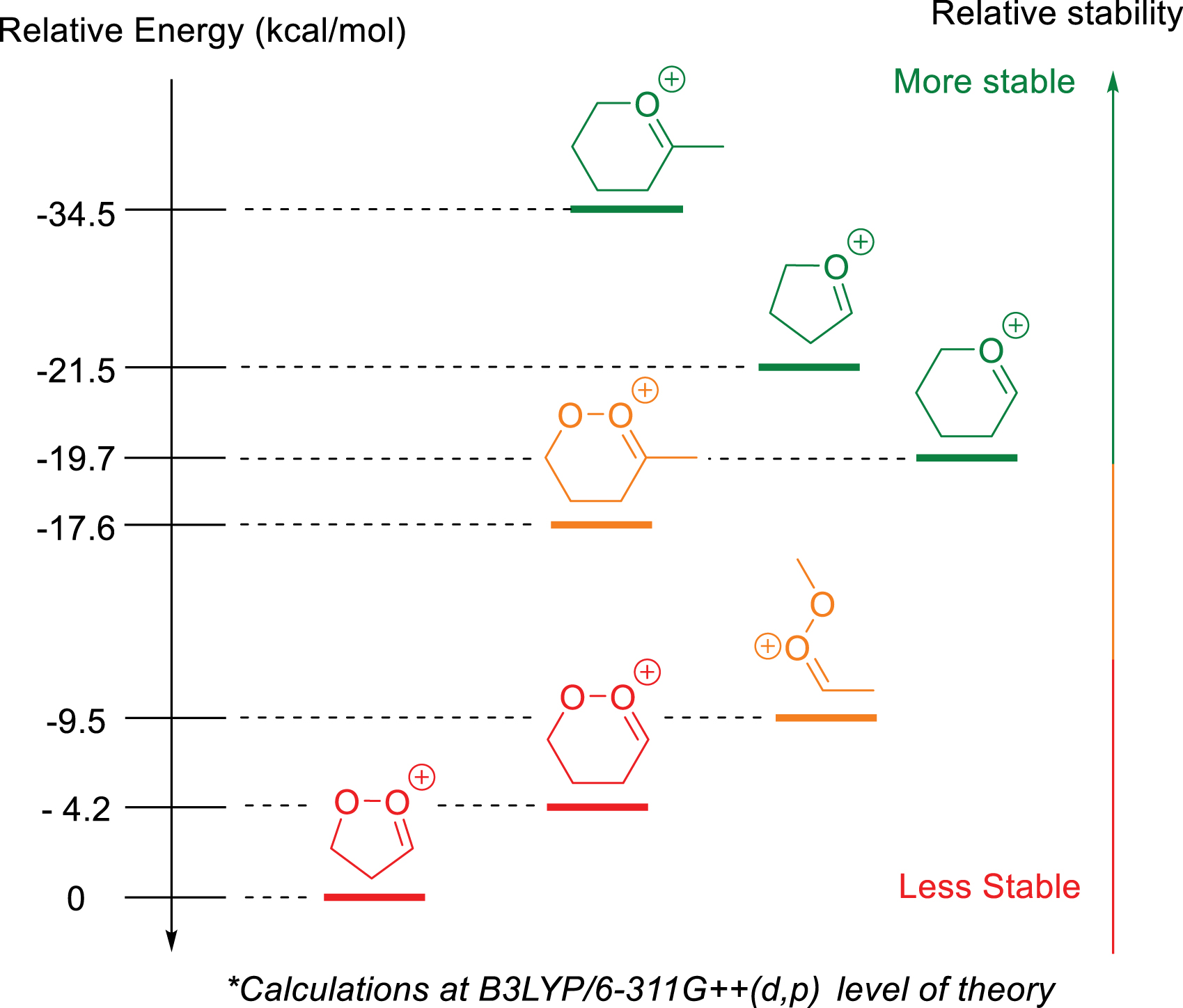
Synthesis of 3-acetoxy-dioxolanes following 3 different routes.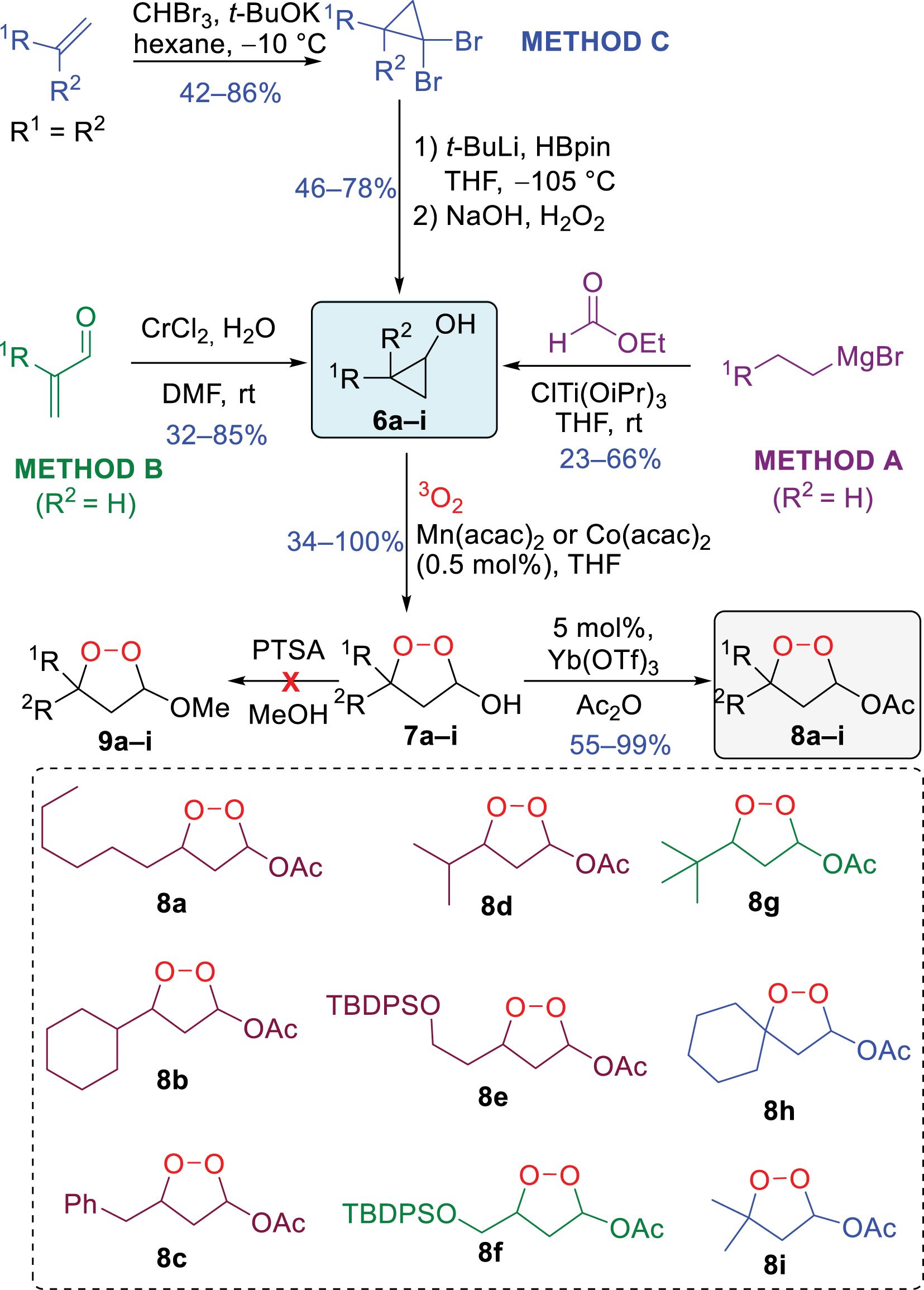
The next objective was then to substitute the acetate function. The first set-up conditions were inspired by Woerpel and Dussault’s works [16, 17] and involved TiCl4 or SnCl4 as Lewis acid (Scheme 4, Conditions A) to promote the peroxycarbenium ion, enabling the addition of several nucleophile types (allylsilanes, enoxysilanes, silanes, or silylcyanides and azides) [19]. Yields were generally good, particularly with SnCl4. However, silylketene acetals proved to be unreactive under these conditions (10m–o). Diastereoselectivity was generally low (except with TiCl4), such as with THF rings [26]. Stoichiometry was optimum with 0.9 equiv of Lewis acid, which allowed full conversion and minimized degradation pathways. TiCl4 was particularly reactive and consequently gave generally lower yields than SnCl4 due to greater degradations. However, the higher diastereoselectivity toward the trans product with TiCl4 was surprising, and it was proposed, supported by DFT calculations, that the cis diastereomer degrades faster than the trans product, explaining its prominence. Degradation pathways involve Lewis acid-mediated fragmentation of the 1,2-dioxolane ring and Kornblum–DeLaMare rearrangement [27].
Alkylation of 1,2-dioxolanes under stoichiometric or catalytic conditions.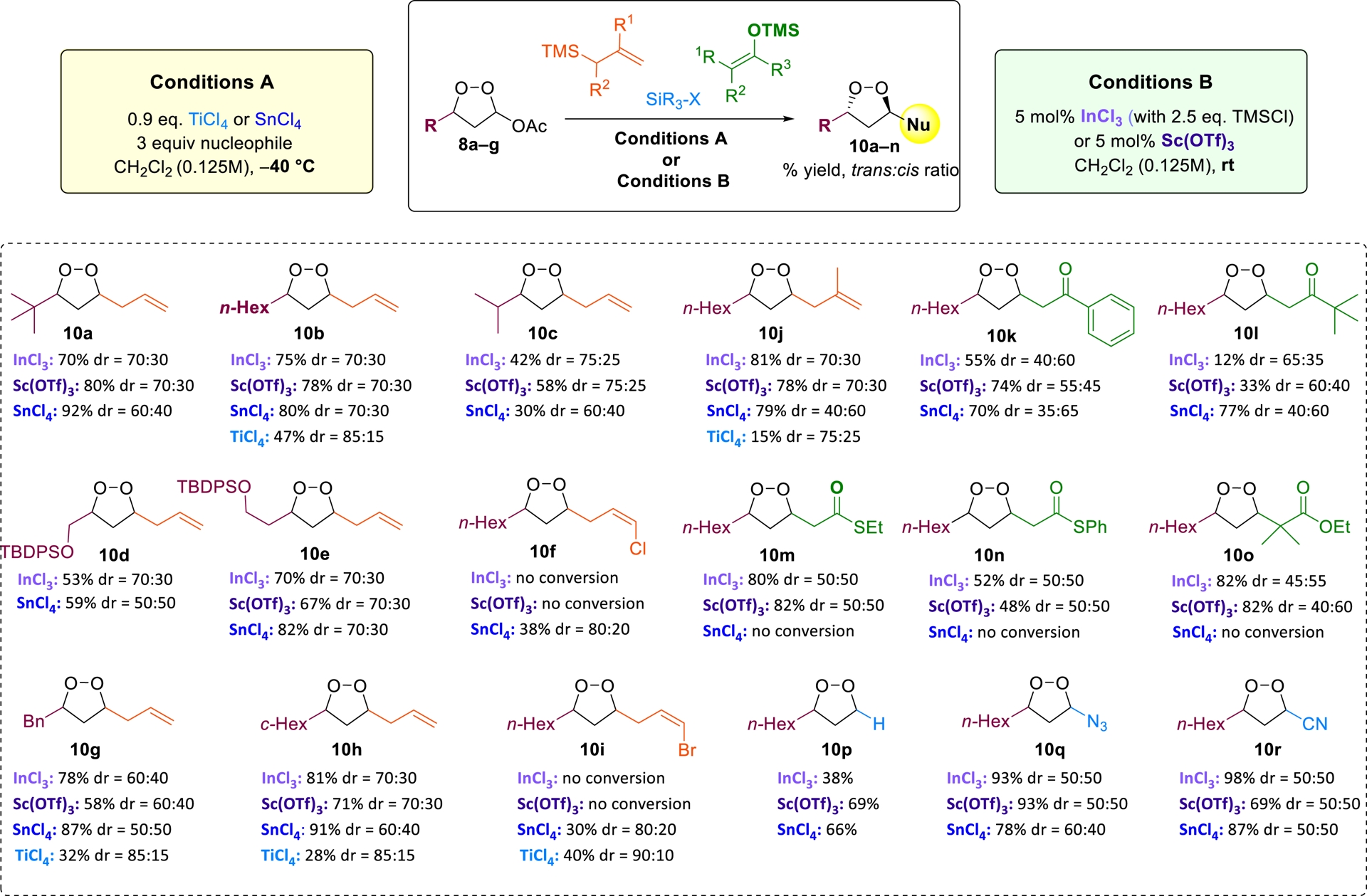
Following this initial study, new conditions were needed to limit the degradation pathways and improve the reproducibility of the various alkylation reactions. Indeed, maintaining the temperature at −40 °C without proper equipment, as well as the high reactivity of TiCl4 and SnCl4, which can lead to overdegradation, accounts for the variability in the results. InCl3, in combination with TMSCl [28, 29, 30], as well as rare-earth triflate [31, 32, 33] have been reported for Sakurai or Mukaiyama aldol reactions, with the main advantage being that they can be used in catalytic amounts under mild conditions. The use of InCl3 (5 mol%) with 2.5 equiv of TMSCl showed high capacity in the substitution reaction from endoperoxyacetals 8a–g (Scheme 4, Condition B). The reaction typically completes within 1–2 h at room temperature [20]. No significant degradation was observed, unless the reaction was allowed to continue for more than 24 h. The scope of the reaction is large, with yields and selectivities comparable to those obtained with SnCl4. However, halo-allylsilanes were unreactive with these catalysts, giving no conversion to 10f or 10i. The geminal halogen deactivates the silicon atom, which explains a lack of reactivity in this case; however, the observed reactivity with SnCl4 or TiCl4 is probably caused by a transmetallation with silicon to produce more reactive species. In contrast, the catalytic conditions enabled the reaction with silylketene acetals (esters 10o or thioesters 10m–n), which is of great importance considering the challenge that total synthesis of endoperoxides represents. Rare-earth metal triflates were also studied as mild Lewis acids. Among all salts tested, scandium was found to show the highest reactivity, similar to that of InCl3/TMSCl. The main advantage of Sc(OTf)3 is that only one reagent needs to be added to the reaction mixture; the diastereomeric ratio and yields were of the same magnitude as those obtained with either SnCl4 or InCl3/TMSCl. It is noteworthy that cis- and trans-1,2-dioxolanes are, in general, not separable by silica gel chromatography; therefore, all the products were isolated and characterized as mixtures.
2.3. Biological evaluation of 1,2-dioxolanes
Evaluation of twenty-three 1,2-dioxolanes, which constitute analogs of 1,2-mycangimycin, was performed against four different infectious agents [34]. As mycangimycin possesses strong antifungal activity, our 1,2-dioxolanes were evaluated against Candida albicans CAAL93 and Aspergillus fumigatus ASFU76 strains. However, none of them exhibited any significant antifungal activity. This finding supports the hypothesis that this activity is related to the polyenic chain of mycangimycin. Antimalarial and antileishmanial activities were evaluated on Plasmodium falciparum and Leishmania Donovani. The saturated analog of mycangimycin 5 did not exhibit significant antimalarial activity, suggesting that the side chain also plays a crucial role in the antimalarial activity. Nevertheless, interesting results were found for dioxolanes 8g and 10a, which possess activity in the same range as chloroquine, as well as high selectivity indexes (SI) (Figure 3). Four other compounds were found to be quite active against L. Donovani in its axenic amastigote form. 10f and 10i bear a vinyl halide function, while 10m and 10n possess a thioester function. However, the selectivity index is disappointing overall and these compounds lost most of their activity against intramacrophage amastigotes, suggesting that they cannot properly cross the macrophage and parasitophorous vacuole.
Antiparasitic activity of selected 1,2-dioxolanes. Activities are expressed as IC50 (μM); selectivity indexes (SI) are calculated from the ratio with cytotoxicity on HUVEC cell lines. Control: chloroquin and miltefosine.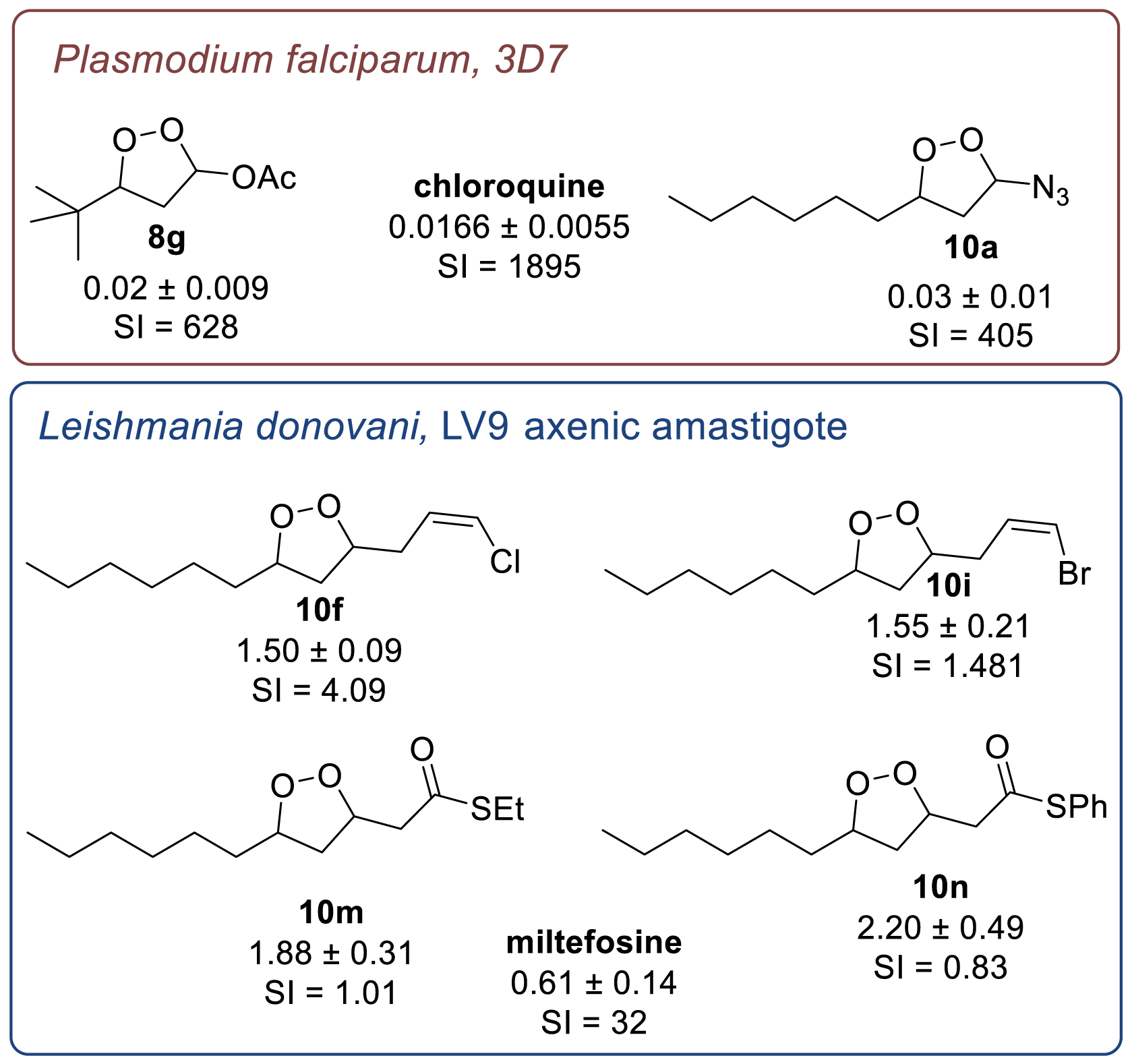
3. Synthesis of 1,2-dioxanes
3.1. Oxidative ring expansion of cyclobutanols
After studying 1,2-dioxolanes, we were also interested in synthesizing 1,2-dioxanes. As outlined in the introduction, this heterocycle is predominant among the natural endoperoxides. Our aim was to apply the same strategy to obtain and functionalize the endoperoxide ring as outlined in Scheme 1, i.e., oxygen insertion on a strained ring and addition to a peroxycarbenium ion. Although the insertion of molecular oxygen was a known transformation, its application to cyclobutanols had not been reported previously. The strain energy of cyclobutane compared to cyclopropane is somewhat similar (26.90 versus 28.13 kcal/mol, respectively) [35]. However, the rate of ring opening of methyl radicals is considerably different, making the radical opening of methylcyclopropyl radical very fast [36], whereas the reaction speed is moderate in the case of methylcyclobutyl radical [37, 38] (Figure 4). Improvement can be achieved through α-substitution, which stabilizes the newly formed radical. Similar behavior can be anticipated regarding the relative speed of ring opening with alkoxy radicals of strained rings, suggesting that the radical insertion of molecular oxygen into cyclobutanol would be more challenging.
Relative kinetics of ring opening of strained methyl cycloalkyl radicals.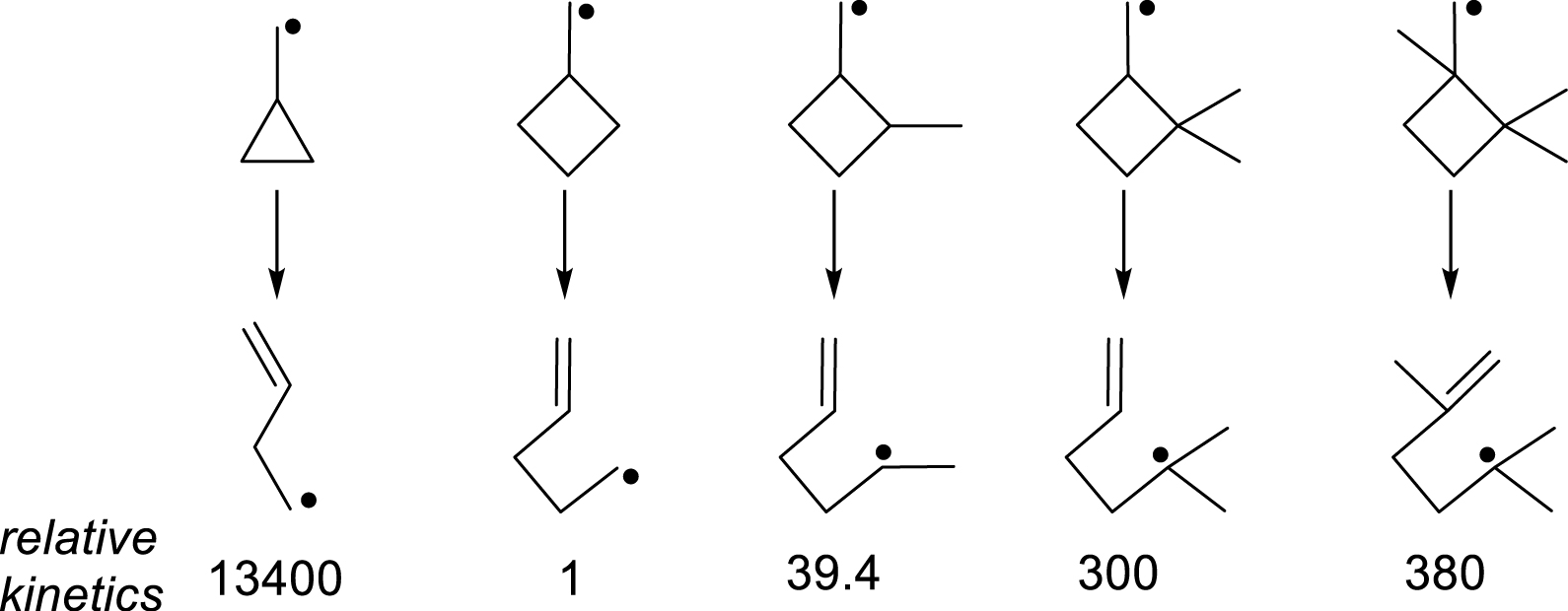
The various studies on the insertion of molecular oxygen into cyclobutanols implied the synthesis of such compounds. The general synthetic route is based on a 3-step procedure from aldehydes or ketones 11a–i (Scheme 5). The first step consisted of the Wittig olefination with an in-situ-formed cyclopropylphosphonium ylide. Cyclopropylidenes 12a–i underwent epoxidation and rearrangement into cyclobutanones 13a–i [39]. Following, secondary cyclobutanols 14a–i were obtained by reduction of 13a–i with NaBH4, while tertiary cyclobutanols 15a–d were synthesized by addition of a Grignard or lithium reagent. Optimal conditions for oxygen insertion were identified as 5 mol% Co(acac)2 in MeCN at 40 °C (8–48 h); Mn(II) or Mn(III) acetylacetonate showed no reaction [40]. As anticipated, the process was significantly more challenging compared to cyclopropanols due to the slower ring opening of cyclobutyloxy radicals, which required higher catalyst loading (5 mol% versus 0.5 mol%), higher temperatures (40 °C versus room temperature), and longer reaction times (8–48 h versus 1–2 h). The substitution also significantly affects the reaction rate. It works particularly well when the 2-position is disubstituted (16a–c, 16f), indicating that the cyclobutane scission is faster in that case; eight hours are generally sufficient for full conversion. With one alkyl substituent, the reaction was more difficult (16d) and required up to 48 h. The tertiary cyclobutanols were also more difficult to react, requiring longer reaction times and giving generally lower yields (17a–c). The steric hindrance appeared to be the important factor, as the rate of ring scission is little affected by the 1-substitution (see Figure 4); Cobalt needs to approach the alcohol function to abstract the hydrogen. The more significant steric effect of the ethyl group makes the reaction even more challenging to achieve (17a). However, the combination of 1-substitution and 2-monosubstitution made the reaction unfavorable (17d, no reaction).
Insertion of molecular oxygen in cyclobutanols.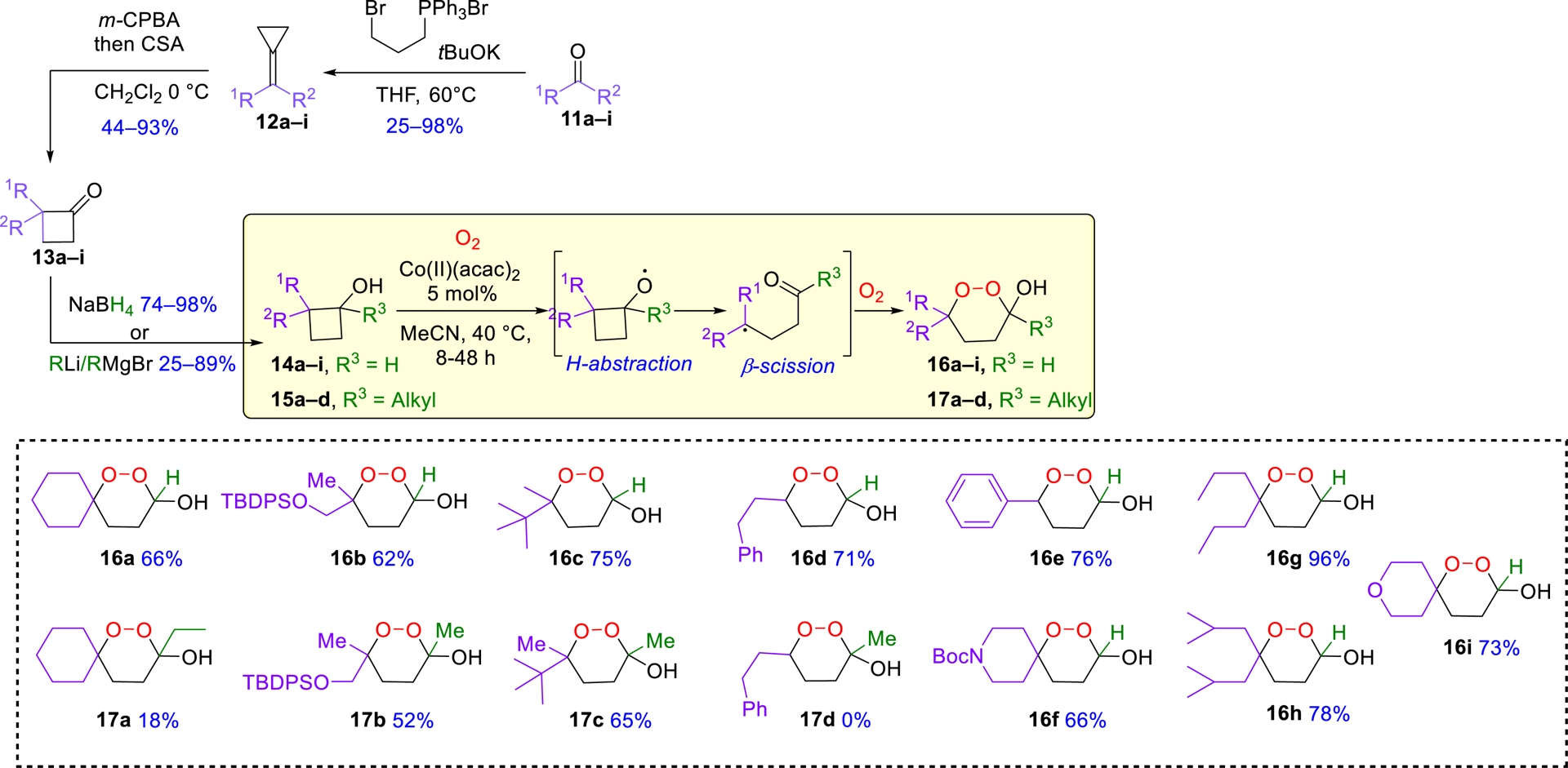
3.2. Alkylation of 1,2-dioxanyl acetates
Endoperoxyacetals 16a–f were then acetylated to intermediates 18a–f to be substituted under the conditions previously developed for 1,2-dioxolanes [20] (Scheme 6). Compound 16f had difficulties reacting in acetylation due to the Lewis basicity of the carbamate function, which deactivated the acid catalyst (18f: 22% yield); all other substrates were acylated efficiently. Nevertheless, it was discovered that 1,2-dioxanes are far more stable than 1,2-dioxolanes toward organic bases; consequently, pyridine-mediated acylation could also be performed efficiently to overcome difficult cases (100% yield for 18f) [41]. Sc(OTf)3 catalysis was then selected over indium-mediated conditions because of its ease of handling. Several types of nucleophiles could be added to acylated intermediates 18a–e; however, 18f was again unreactive due to the Boc group. The scope of the nucleophiles includes allylsilanes (19b, 19e, 19f–g, 19j–k), hydrides (19c), cyanides (19d, 19h), enolates (19a, 19i, 19l), and siloxyfuranes (vinylogous addition, 19m). Unlike 1,2-dioxolane, the addition can be more selective on this ring size, thanks to a preferred half-chair conformation on the peroxycarbenium ion, in which the substituent is in pseudoequatorial position [42]. The nucleophile can also add preferentially in the axial position because it gives a chair-like conformation to the substitution product directly. The low yield for 19f is attributed to the adjacent aromatic ring, which enhanced Kornblum–DeLaMare or Hock rearrangements [40].
Acetylation and alkylation of 1,2-dioxanes.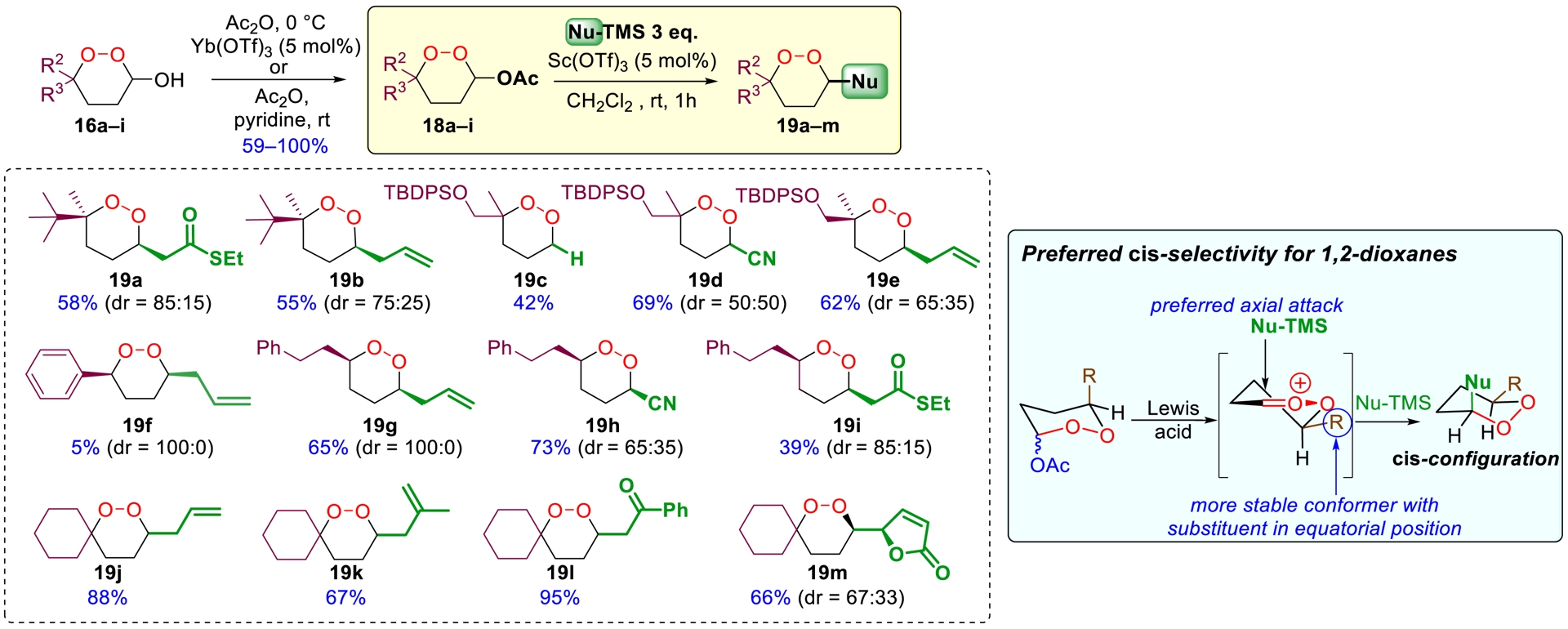
Success in accessing differently substituted 1,2-dioxanes encouraged the application of the method developed to the total synthesis of natural endoperoxides. Mycaperoxides and ethyl plakortide Z were selected for their interesting biological properties and structural features, which present distinct challenges. No total synthesis of these compounds had been reported prior to our studies.
3.3. Total synthesis of mycaperoxides
As outlined in the introduction, mycaperoxides are marine endoperoxides endowed with various reported biological activities. Several natural analogs exist, whose differences rely not only on the sesquiterpene structure but also on the relative and absolute configuration of the 1,2-dioxane scaffold. Synthetic studies toward mycaperoxide B were reported by Harwood [43, 44, 45]. The total synthesis of related analogs of mycaperoxides was nevertheless accomplished by Seifert on diacarnoxide C in twenty steps [46] and by Yikang Wu on muqubilin in twenty-nine steps [47]. To quickly access the decalin subunit of mycaperoxides, the choice of sclareolide as a starting material appeared to be the most appropriate. However, only one configuration is available, which allows access to the natural configuration of mycaperoxide B (Figure 5). Mycaperoxides C, D, and G have an inverse configuration for the decalin subunit; therefore, the synthesis of their antipodes was here privileged. Indeed, no other available resource enables direct access to their natural configuration, unless one designs a complex, multistep synthesis.
Structures of mycaperoxides A–D and G and related analogs, highlighting the configuration of the decalin.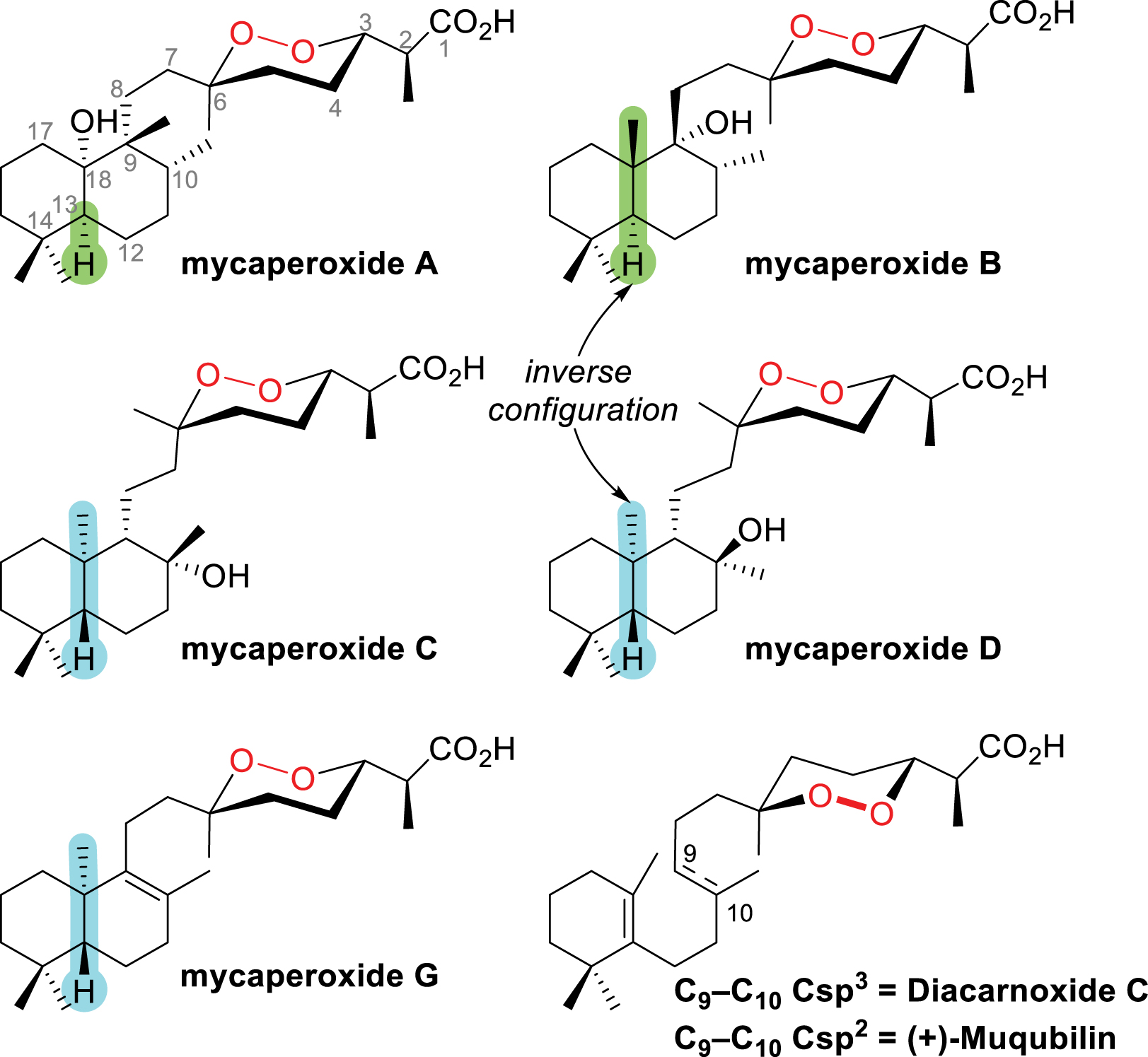
The first targeted analog was ent-mycaperoxide D, which bears the same decalin substructure as sclareol. The first step required the KMnO4-mediated oxidative cleavage of the allylic alcohol, yielding methyl ketone 20 (Scheme 7). The construction of the 1,2-dioxane relied on our cobalt-mediated oxygen insertion reaction, which provided 23 in a good yield over a five-step sequence. Acetylation needed some optimization, since Lewis acid-catalyzed conditions induce the elimination of the silylated alcohol. Instead, pyridine-mediated acylation led cleanly to peroxyacetal 24. Promotion of the peroxycarbenium ion with Sc(OTf)3 catalysis allowed the addition of silylated propionyl thioester nucleophile 25 in high yield, but thioester 26 was obtained as a mixture of eight different diastereomers. This result was anticipated; the insertion of molecular oxygen could not be stereoselective or stereoretentive due to the reaction’s radical mechanism, resulting in no control over the configuration at the C-6 position. The addition at C-2 was more selective, yielding an interesting 4:1 ratio in favor of the 3,6-cis product. However, the configuration of the methyl group at C-2 was not controlled, affording a 1:1 mixture of 2,3-anti/syn-products. Separation of most of the diastereomers, after triethylsilane (TES) cleavage, enabled the isolation with a 12.7% yield of diastereomer 27, which has the same relative configuration as natural mycaperoxide D. Two-step transesterification gave rise to the antipode of mycaperoxide D (28). Spectroscopic data matched in all points the natural product, for which the characterizations were reported as a methyl ester, except for the optical rotation with an inverted value [+68 (c 0.25, CHCl3); lit [48]: −52 (c 0.3, CHCl3)]. The synthesis of 28 was achieved in only eleven chemical steps from sclareol [49].
Stereodivergent synthesis of mycaperoxide B and the antipodes of mycaperoxides C, D, and G’s methyl esters.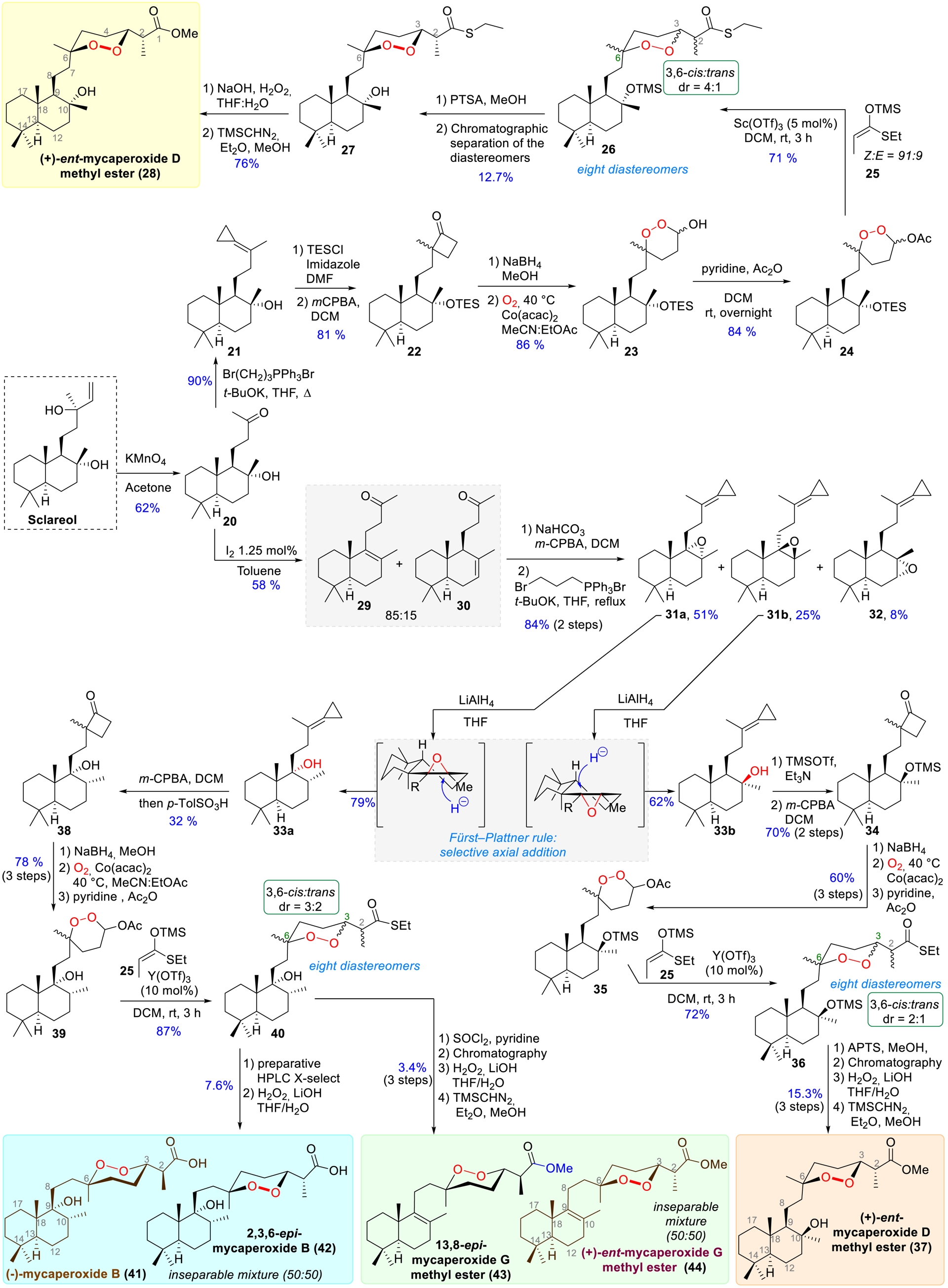
The synthesis of other mycaperoxide analogs was then investigated but required a modification of the decalin subunit. Methyl ketone 20 was treated with catalytic iodine to promote the more selective elimination of the tertiary alcohol toward 29 in an 85:15 mixture with regioisomer 30 (Scheme 7). The entire mixture was subjected to epoxidation with m-CPBA, followed by olefination to a cyclopropylidene. The two-step sequence yielded a separable mixture of diastereomers 31a and 31b, as well as regioisomer 32, which came from 30. Next, 31a and 31b underwent distinct LiAlH4 reductions, enabling regioselective hydride addition, in accordance with the Fürst–Plattner rule [50, 51, 52].
Regioisomer 33b exhibited the decalin scaffold of ent-mycaperoxyde C and underwent a sequence similar to that used for ent-mycaperoxide D from 21 (Scheme 7). Differences lie in the protecting group (TMS, less bulky than a TES) and the choice of yttrium in replacement of scandium for the aldol reaction, which prevented the elimination of the tertiary silyl ether on the decalin, thanks to a more moderate reactivity. Separation of the diastereomers and transesterification afforded the antipode of mycaperoxide D (37). Spectroscopic data agreed with the natural product’s methyl ester, except for the optical rotation with an inverted value [+50 (c 0.198, CHCl3); lit [48]: −71 (c 1.1, CHCl3)]. The synthesis of 37 was achieved in fourteen steps from sclareol [49].
The synthesis of mycaperoxide B and ent-mycaperoxide G was subsequently studied from 33a, applying the same strategy (Scheme 7). Thus, thioester 40 was obtained as a mixture of eight diastereomers in a four-step sequence. Because the hydroxy group on decalin was highly prone to elimination, it was left free, and yttrium catalysis was again applied with success. The absence of a protecting group lowered the 3,6-cis:trans selectivity (dr = 3:2) for the aldol reaction, which was beneficial because mycaperoxides B and G have a 3,6-trans configuration. Separation of diastereomers followed by a saponification step afforded a mixture of mycaperoxide B (41) and its 2,3,6-epimer (42) in about 1:1 ratio (7.6%), and in a total of eleven steps. However, no conditions for further separation were found. In parallel, the diastereomeric mixture 40 was treated with SOCl2, allowing elimination of the tertiary alcohol. Subsequently, separation of isomers by chromatography and two-step transesterification allowed the isolation of the antipode of mycaperoxide G’s methyl ester (44) and its 13,8-epimer (43) in about 1:1 ratio (3.4%) in a total of thirteen steps.
The total synthesis of various mycaperoxides was accomplished for the first time, enabling access to these natural structures in a few steps (from eleven to fourteen steps). This work highlights the effectiveness of the strategy developed for the synthesis of 1,2 dioxanes. Although the key transformations involved in endoperoxide formation suffer from limited selectivity (radical and SN1 reaction), this limitation is offset by the overall efficiency of the approach, particularly in terms of step economy when compared with previous reported studies in the field [43, 44, 45, 46, 47].
3.4. Total synthesis of ethyl plakortide Z
Plakortides have the unique characteristic of showing an ethyl substituent at the C-4 position of the 1,2-dioxane ring, which presents a new challenge in total synthesis. Gemma and Campiani reported the total synthesis of 9,10-dihydroplakortin and its 6-epi analog in twenty-three steps, utilizing Mukaiyama peroxysilylation and iterative Evans aldol reaction as key transformations [53]. Despite a moderate cytotoxic activity, ethyl plakortide Z proved to be a suitable target for validating our synthetic strategy within this class of compounds; the side chain is simple and the 3,4-trans configuration seemed more adapted to the peroxycarbenium-mediated aldol reaction.
Our designed pathway for synthesizing ethyl plakortide Z began with the preparation of cyclobutanone 46 in two steps (Scheme 8). The first key step was controlling the ethyl group at position C-4, which necessitated the utilization of an Enders hydrazone to produce 48. Hydrazone cleavage with ozone, followed by reduction with NaBH4 yielded 49. The second key step involved the cobalt-mediated insertion of oxygen, which proceeded exclusively on the most substituted position to produce 50 as a C-6 diastereomeric mixture. Activating the acetal function to an acetate enabled the thioacetate insertion with Sc(OTf)3 catalysis in the final key step. The reaction proceeded with a moderate diastereoselectivity (dr = 4:1) toward the 3,4-trans configuration. The desired diastereomer could be isolated from the other three by preparative HPLC, and a two-step transesterification provided ethyl plakortide Z as a pure enantiomer; the spectral data of the synthetic ethyl plakortide Z matched those of the reported natural one [54].
Stereodivergent synthesis of ethyl plakortide Z.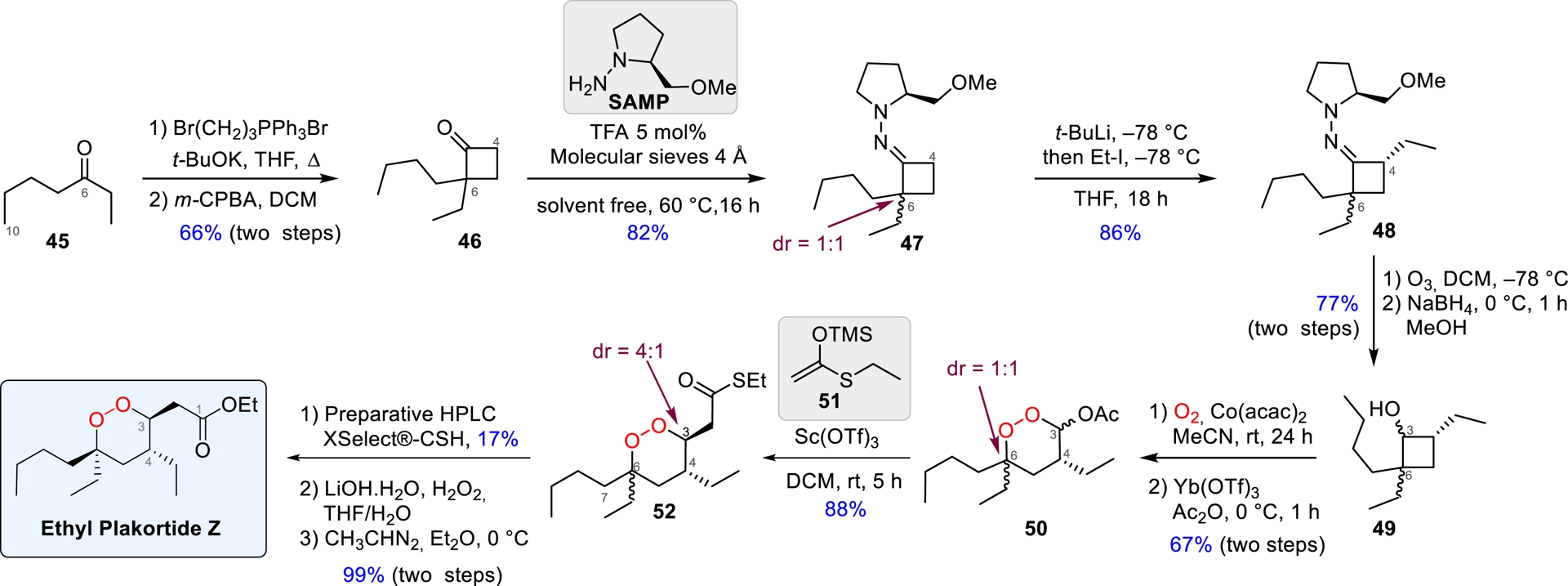
Ethyl plakortide Z was synthesized in only eleven steps, yielding 4.2% overall, constituting a significant advancement for this class of compound. However, this stereodivergent strategy presents significant limitations, notably the requirement for laborious chromatographic separations of diastereoisomers, arising from insufficient control over peroxy bond formation. A major advance would be designing asymmetric versions of the key reactions, specifically the oxygen insertion and Mukaiyama aldol reactions. In the first case, the radical pathway would make it difficult to develop such a reaction with current knowledge in the field. However, the ionic interaction in the final key step would certainly enable asymmetric control with a chiral counteranion.
4. Asymmetric counteranion-directed catalysis
4.1. Pioneering works
The lack of readily available asymmetric methods for forming peroxyl bonds is a major obstacle to the total synthesis of endoperoxides. Past known methods relied either on: SN2 displacement of hydroperoxides to epoxides, halides, or sulfonates [46, 47, 55]; kinetic resolution of hydroperoxides by reduction [56, 57, 58]; asymmetric organocatalyzed 1,4-addition of a hydroperoxyl function to enones or enals [13, 59, 60].
The similarity between ether-based oxycarbenium ions and peroxycarbenium species suggests that asymmetric methods used for ethers could also be applied to peroxyl analogs. Indeed, in recent years, List et al. have demonstrated that new organocatalysts with high acidity and confinement properties, called imidodiphosphorimidates (IDPi), could be used in a large range of reactions involving reactive cationic species [61, 62]. One major breakthrough involved the synthesis of chiral ethers from cyclic acetals 54a–c with high yields, high enantiomeric ratios, and low catalyst loadings of IDPi-H 53 (Scheme 9) [63]. Consequently, we thought that this asymmetric method could be applied to endoperoxides, although some additional difficulties needed to be overcome, including the fragility of the peroxyl bond and the reduced stabilization of the peroxycarbenium species compared to classical oxycarbenium ions (Figure 2).
List’s asymmetric functionalization of cyclic acetals mediated by IDPi catalysis.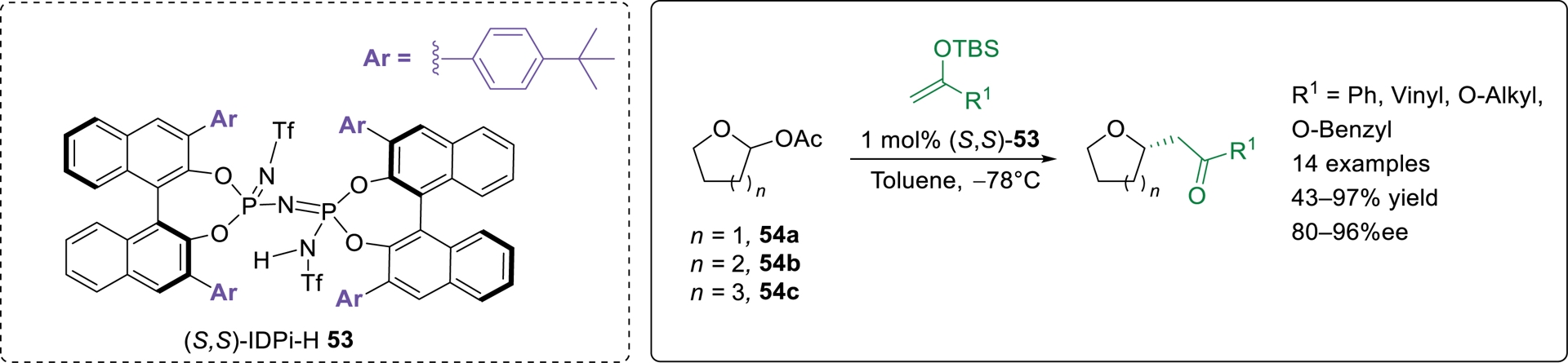
4.2. Synthesis of chiral endoperoxides
Searches for optimal reaction conditions led to the selection of IDPi catalyst 53 as the most versatile and selective catalyst for our substrates [64], in accordance with List’s previous work on cyclic ethers that possess similar geometries [63] (Scheme 10). The reactions proceeded more selectively in Et2O. Other nonpolar solvents, used to maximize intermolecular interactions between the two ionic species, can also be employed, such as methylcyclohexane or n-pentane, which provided results similar to those obtained with Et2O. However, their limited solubilizing power prevents their general use across a broad range of substrates. Other solvents, such as dichloromethane (DCM) or toluene, led to no reactivity or degradation. Temperature played a crucial role; carrying out the reaction at low temperature (−90 °C) diminished acid-catalyzed peroxide degradation pathways, increasing the isolated yields dramatically, albeit at the cost of a long reaction time (2–5 days). Nevertheless, increasing the reaction temperature to −78 °C has been used as a compromise for less reactive nucleophiles or substrates. Another important observation is that the reaction does not tolerate variation of the leaving group, with the acetate moiety remaining the only one capable of promoting this transformation. A similar trend is observed for the silylated nucleophiles. Various protecting groups, differing in both steric and electronic properties, were evaluated, but only the TBS group demonstrated satisfactory reactivity and reproducibility.
Scope of the endoperoxide acetal’s IPDi-catalyzed functionalization.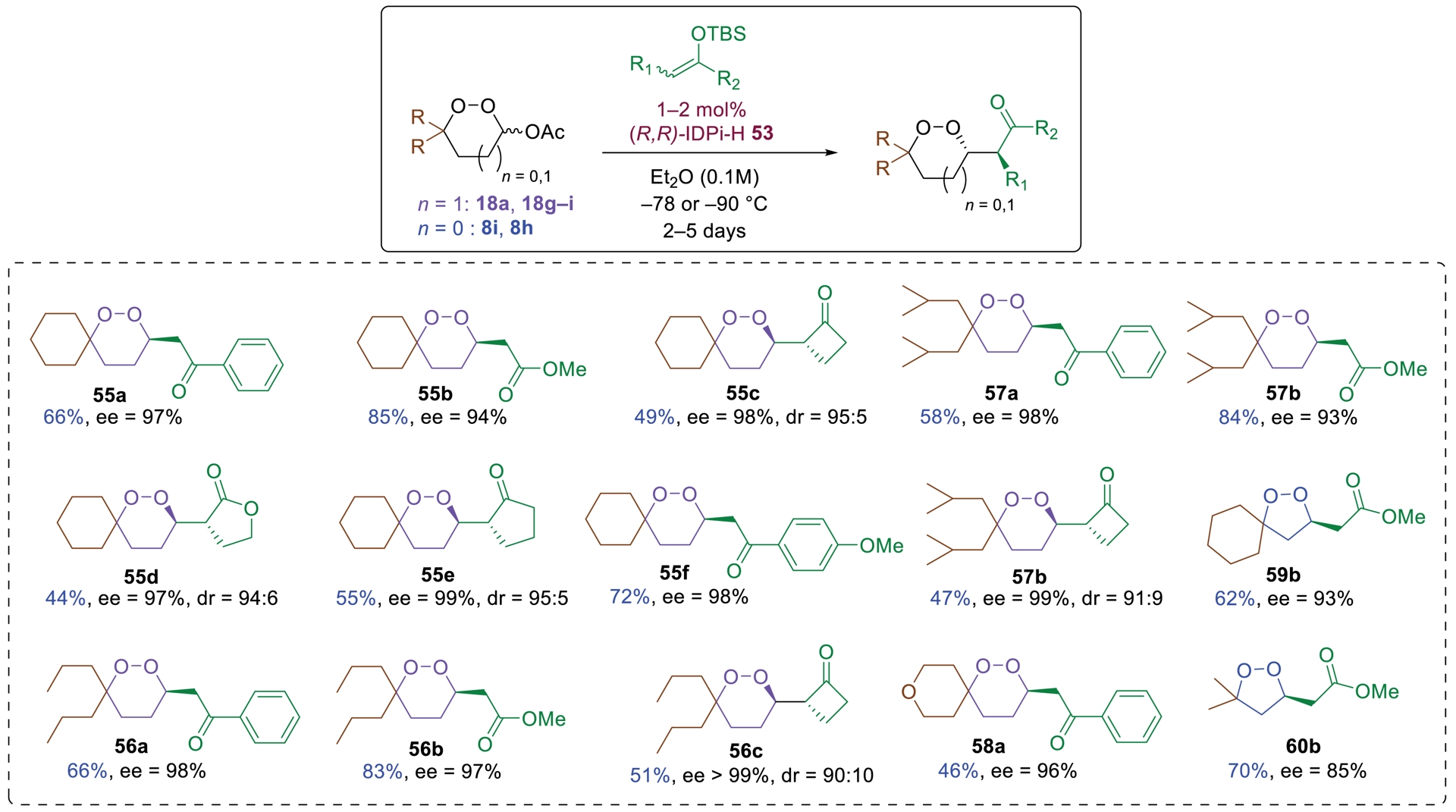
This unprecedented use of IDPi catalysts for the functionalization of 1,2-dioxane acetates has enabled the preparation of a wide variety of products by tuning the nucleophile (Scheme 10). In this context, several classes of nucleophiles were explored, including silyl ketene acetals, as well as aromatic and cyclic silyl enol ethers. In all cases, the corresponding addition products 55a–f, 56a–c, 57a–c, 58a were obtained in good yields and with remarkable enantioselectivities (ee = 93–99%) [64]. In the case of cyclic enol ethers, an outstanding diastereoselectivity can be observed in favor of the anti product (dr = 90:10–95:5). As anticipated, the 1,2-dioxolanes are more difficult to produce due to their lesser stability. Ketone adducts generally led to degradations, but the silyl ketene acetals allowed in this instance the isolation of functionalized 1,2-dioxolanes 59b and 60b in very good yields and high enantioselectivity (ee = 93 and 85%, respectively). The reaction was also successfully examined with vinylogous nucleophiles, such as siloxyfuranes [64].
The proposed reaction mechanism (Scheme 11) is in line with some kinetic investigations and previous studies [62, 63, 64]. The initial step involves a protodesilylation between the nucleophile and IDPi-H, generating silylium species IDPi-TBS, the actual Lewis acid. It then promotes departure of the acetate group from 18a, leading to peroxycarbenium ion I. The chiral environment brought by the chiral counteranion allows a controlled nucleophilic addition to the most accessible face of intermediate I. Adduct II can subsequently release IDPi-TBS after providing 55a, thereby sustaining the catalytic cycle.
Proposed mechanism for the asymmetric alkylation of endoperoxides.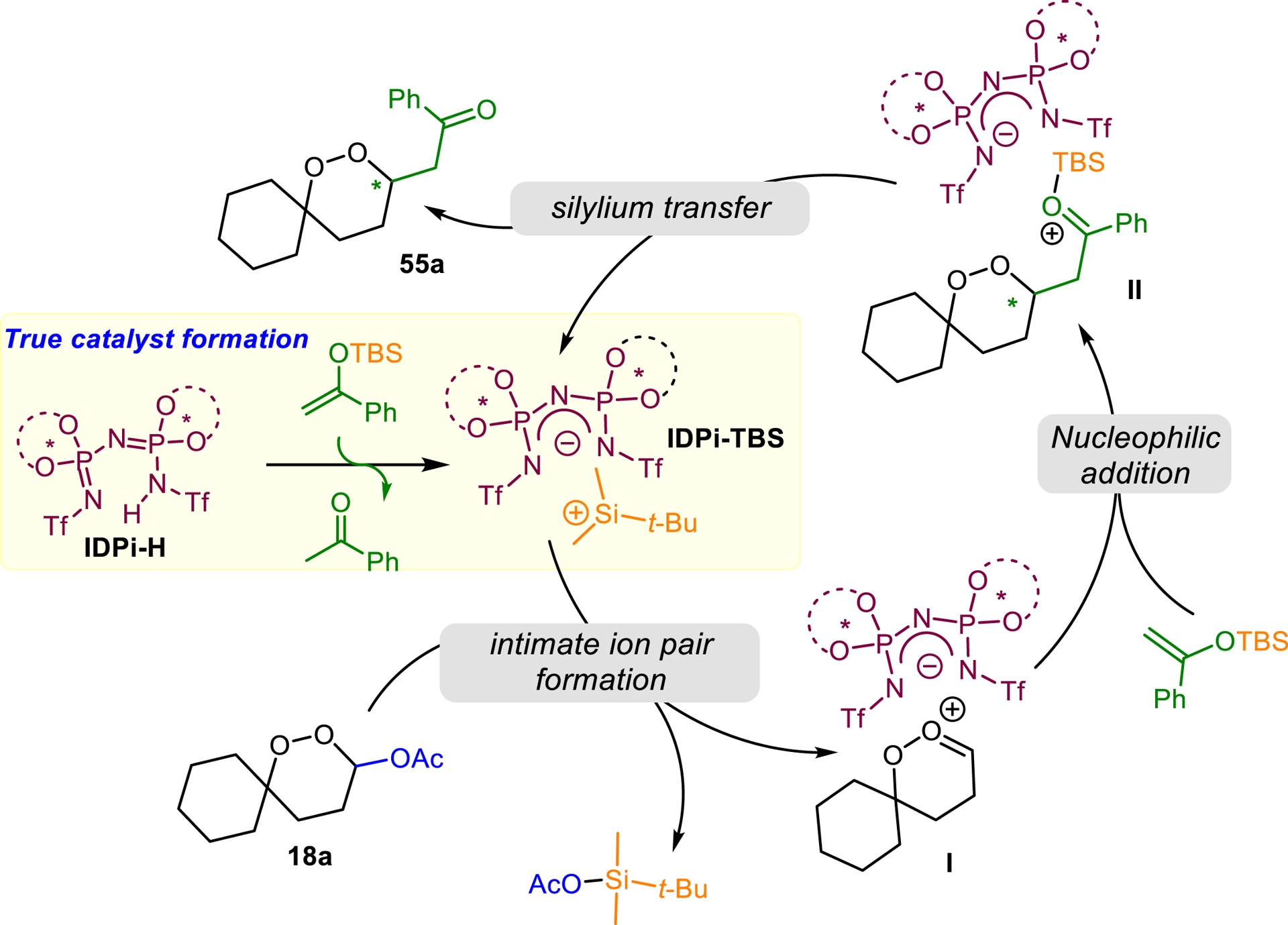
4.3. Second-generation total synthesis of ethyl plakortide Z
The aforementioned asymmetric reaction was successfully applied to the total synthesis of ethyl plakortide Z, by employing acetate intermediate 50 [64] (Scheme 12). The use of IDPi catalyst (S,S)-53, in combination with silylated nucleophile 61, enabled direct access to ethyl plakortide Z with an excellent diastereomeric ratio of 18:1 in favor of the 3,4-trans configuration. As a reminder, Sc(OTf)3 provided the 3,4-trans configuration with a moderate 4:1 ratio in our previous studies and required an additional transesterification step [54] (Scheme 8). Interestingly, the use of (R,R)-53 catalyst decreased the ratio to 1.3:1 without reversing the selectivity toward the 3,4-cis product. This result suggests that the substrate’s chirality predominantly controls the substitution, rather than the catalyst, in this example; the catalyst only amplifies or diminishes the original selectivity.
Effect of IDPi configuration in the synthesis of ethyl plakortide Z.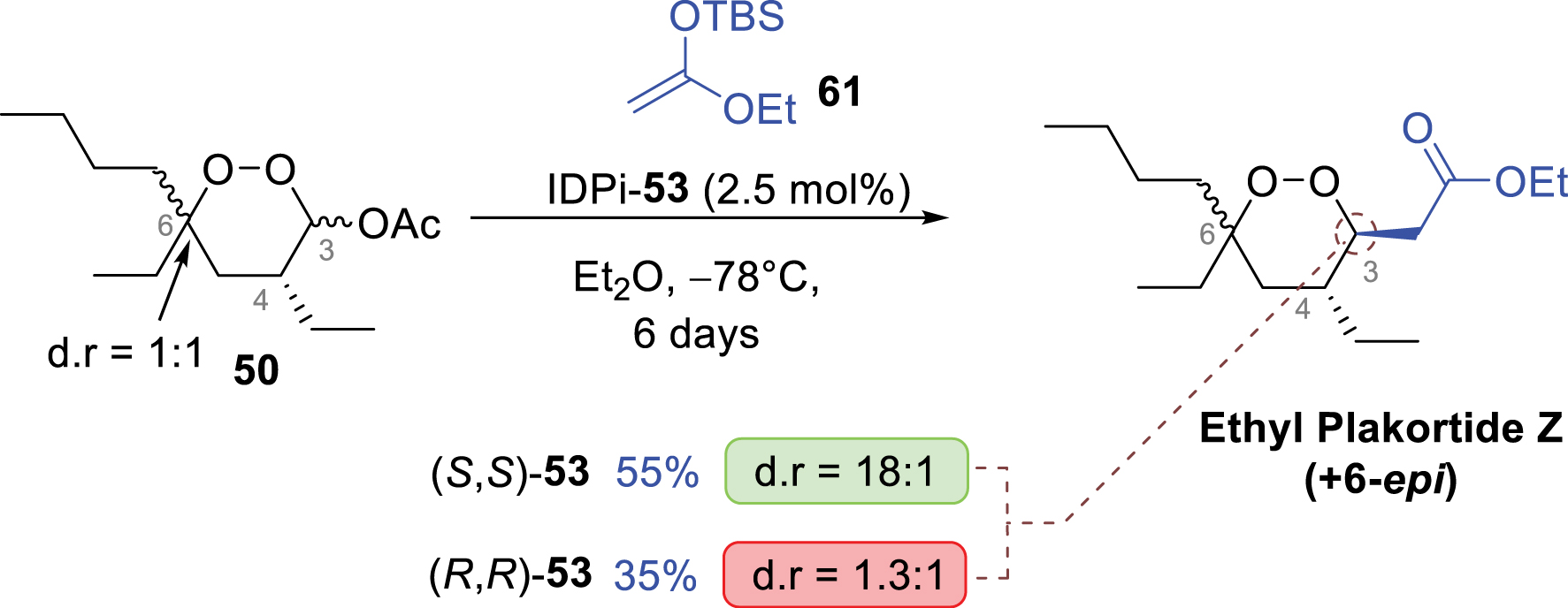
5. Conclusions and perspectives
In conclusion, this account emphasizes the importance of creating new methods to access natural products. These methods serve as a foundation for innovative techniques and provide access to molecules with promising in vitro properties, such as endoperoxides. Thus, we demonstrated that these compounds are stable enough to withstand a wide range of reaction conditions, thereby expanding their functional diversity. Consequently, we showed how to access the 1,2-dioxolane motif, and subsequently 1,2-dioxanes, by taking advantage of the cyclic constraints of cyclopropanols and cyclobutanols, and of the reactivity of peroxycarbenium ions, two key reactions at the root of our strategy. As demonstrated, the developed methods have enabled several advances in total synthesis, including access to simplified analogs of mycangimycin, mycaperoxides, and ethyl plakortide Z.
One of the major challenges in the total synthesis of endoperoxides is controlling chirality. We addressed this issue by developing a pioneering asymmetric catalysis approach based on ion pairing with reactive peroxycarbenium species. By optimizing reaction conditions and systematically screening silylated enolates, we generated a wide range of structurally diverse endoperoxides while maintaining excellent control over chirality. This new method is expected to facilitate the development of original synthetic routes toward natural endoperoxides, as demonstrated by the second-generation total synthesis of ethyl plakortide Z.
Nevertheless, these recent studies are only a step toward achieving complete control over the asymmetric centers that constitute endoperoxides. Several significant challenges remain to be addressed. The scope of nucleophiles in asymmetric synthesis is currently limited to a small number of silylated enolates and must be expanded further. Additionally, the mechanisms of asymmetric induction in “match” and “mismatch” cases must be fully understood to predict results. A major challenge lies in controlling the chirality of the stereogenic center formed during the oxygen insertion reaction from strained cycloalcohols. However, the radical nature of this reaction makes this task especially challenging. Therefore, we have recently explored an alternative strategy involving the synthesis of a silylperoxide intermediate, which is formed by promoting acyclic peroxycarbenium ion 62 from peroxyacetal 61 [65] (Scheme 13). It can be captured by various silylated nucleophiles, and, for instance, peroxides 63 and 64 were converted into acetoxy-dioxolane 9j and dioxane 18j in a few steps. These compounds can then undergo further functionalization using the aforementioned methods. The success of IDPi-mediated asymmetric alkylation of 61 would likely revolutionize endoperoxide synthesis by enabling control of chirality and diastereoselectivity. Opportunities for developing original methodologies in the field of organic peroxides remain, thereby facilitating access to the total synthesis of unexplored endoperoxides.
Synthesis of silylperoxides. Perspectives toward the synthesis of endoperoxides.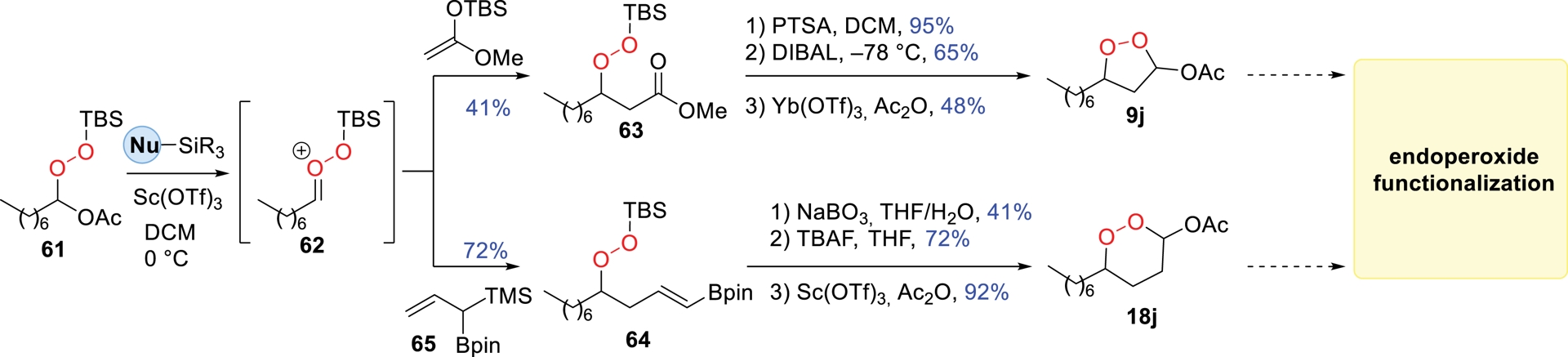
Declaration of interests
The authors do not work for, advise, own shares in, or receive funds from any organization that could benefit from this article, and have declared no affiliations other than their research organizations.
Funding
This work has been partially supported by Université Paris-Saclay, Centre National de la Recherche Scientifique (CNRS). LF thanks the “Ministère de l’Enseignement Supérieur et de l’Innovation” (MESRI) for the funding of two PhD scolarships (2017, 2020), the Vietnamese government for the funding of one PhD scolarship (USTH program 2012) and the CNRS and the “Fondation pour le développement de la chimie des substances naturelles et ses applications” for financing the project MYCOXY through a call for projects on natural substances. BC thanks the “Ministère de l’Enseignement Supérieur et de l’Innovation” (MESRI) for the funding of his PhD (2022–2025).