


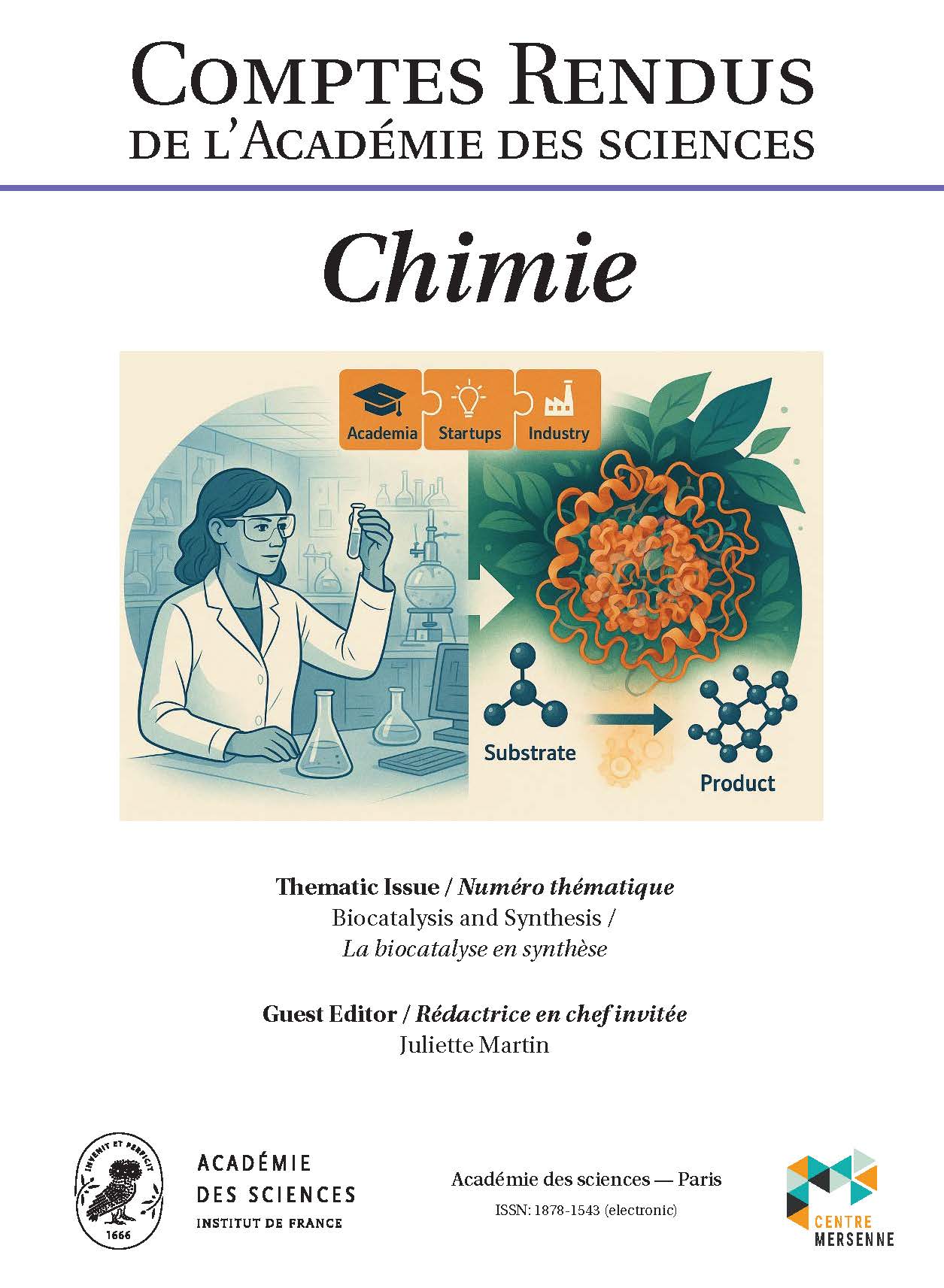
Biocatalysis and Synthesis
[La biocatalyse en synthèse]

 Juliette a obtenu son doctorat en chimie organique à l'Université de Caen (France), dans le domaine de l'organocatalyse et de la synthèse asymétrique sous la direction du Pr. Marie-Claire Lasne. Elle a ensuite effectué un postdoctorat industriel à Zeneca Life Science Molecules au Royaume-Uni dans le domaine de la catalyse homogène et hétérogène. Intégrée au département R&D, elle s'est concentrée sur le développement de nouvelles plateformes technologiques en chimiocatalyse et biocatalyse chez Avecia - CDMO (Contract Development Manufacturing Organization) à Huddersfield (UK). En outre, elle a coécrit un chapitre de dans « Asymmetric Catalysis on Industrial Scale » (Catalyse asymétrique à l'échelle industrielle), Wiley-VCH. Elle a également participé à l'organisation nationale britannique « Innovative Manufacture Initiative » pour étudier de nouveaux outils techniques afin d'accélérer l'efficacité par le biais de projets de recherche et développement.
De retour en France, elle a occupé plusieurs positions dans le développement de procédé en R&D au sein de PPG-Sipsy (aujourd'hui Zach System) et de PCAS (aujourd'hui SEQENS). Elle a occupé le poste de responsable R&D sur l'un des sites industriels de PCAS (aujourd'hui SEQENS), en se concentrant sur le développement de certaines technologies clés, incluant la synthèse des polymères pour la libération contrôlée de médicaments, et a été responsable de la biocatalyse pour la synthèse pharmaceutique. Elle a ensuite été nommée Directrice Générale de Protéus (une société spécialisée dans la science des protéines intégrée depuis 2017 à SEQENS).
Aujourd'hui, elle met à profit ses 25 ans d'expérience dans le domaine de la chimie de synthèse et de la biocatalyse industrielle pour développer le réseau en R&D et promouvoir la communication scientifique entre les différents domaines de la chimie et des activités économioques. Juliette est autrice et co-autrice de plus de 20 articles scientifiques. Elle occupe actuellement le poste de responsable de la communication scientifique chez SEQENS - un leader mondial intégré des solutions pharmaceutiques et ingrédients de spécialité, 16 sites de production, 9 pays, 9 centres de R&D, +300 chercheurs et experts.
Juliette Martin (éd.). Biocatalysis and Synthesis. Comptes Rendus. Chimie, Volume 28 (2025). doi: 10.5802/crchim.sp.8

[traduit de l'anglais]
La biocatalyse au cœur de la chimie de synthèse.
En chimie de synthèse, la biocatalyse offre une solution technique pour concevoir des voies de production de molécules simples à complexes. Les avancées significatives dans le domaine des biotechnologies au cours des deux dernières décennies ont permis l'accès à de nouvelles façons de réaliser des transformations chimiques et l'émergence de nombreuses nouvelles enzymes. Le paysage des déconnexions rétrosynthétiques attrayantes permettant de construire sélectivement de nouvelles liaisons et de concevoir des synthèses fondamentalement nouvelles de structures moléculaires (complexes) s'est considérablement élargi. En outre, les enzymes sont faciles à manipuler et peuvent fonctionner dans des mélanges eau-solvant organique ou même sans eau. En fin de compte, l'intégration des approches enzymatiques peut élargir les voies alternatives et les raccourcis potentiels.
La concision, le respect de l'environnement et l'économie d'atomes des méthodes de synthèse sont devenus des aspects importants de la chimie de synthèse. Il est indéniable que la biocatalyse s'aligne bien sur les principes de la chimie verte et durable, en offrant des alternatives efficaces, économiques et à faible taux de déchets par rapport à certaines synthèses chimiques traditionnelles. Par conséquent, les processus enzymatiques ont suscité beaucoup plus d'intérêt pour la production de molécules de plus en plus complexes dans de nombreuses industries.
La chimie catalysée par des enzymes implique l'utilisation de biocatalyseurs, tels que des enzymes solubles ou immobilisées ou des cellules entières. Cette méthode, également connue sous le nom de biotransformation, tire parti de la sélectivité précise des enzymes, ce qui la rend précieuse dans les applications industrielles. La stabilité et la productivité des biocatalyseurs pour les applications commerciales ont déjà été bien démontrées.
La science qui sous-tend l'enzyme, de sa découverte à sa production en passant par sa conception, requiert un large éventail de compétences, telles que la biochimie, la biologie moléculaire, la microbiologie, l'ingénierie des protéines, la bio-informatique, les processus de fermentation, la bio-ingénierie, l'informatique et la science des matériaux. Leurs contributions respectives ont accéléré la capacité de découvrir et d'élaborer de nouvelles classes d'enzymes pour construire des molécules naturelles et non naturelles, et continueront à se développer.
Dans ce domaine dynamique, la contribution des chercheurs universitaires, des start-ups et des scientifiques de l'industrie a permis des avancées significatives conduisant à des approches innovantes et élargissant le champ d'application des méthodes et stratégies synthétiques. Dans l'ensemble, la synergie résultant de collaborations fructueuses et de la fertilisation croisée de compétences multiples n'a jamais eu autant d'impact sur la traduction des résultats en applications commerciales. En fin de compte, nous partageons tous le même objectif, à savoir la résolution de problèmes.
Dans ce numéro spécial, pour lequel j'ai eu l'honneur d'agir en tant que rédacteur invité, je voudrais remercier tous les auteurs et co-auteurs pour leur volonté de partager leur travail et leur expertise dans des domaines très divers de cette discipline fascinante. Il comprend quatorze mini-revues, articulées autour de trois thèmes principaux brièvement présentés ci-dessous.
Outils d'optimisation des enzymes (articles 1-3):
Dans certains cas, pour répondre à des exigences de performance spécifiques, les biocatalyseurs peuvent nécessiter une augmentation de la stabilité de l'enzyme, de l'efficacité catalytique, de la sélectivité et de la portée du substrat. De nouvelles stratégies et de nouveaux outils, tels que l'ingénierie des protéines basée sur la recombinaison de l'ADN, peuvent être nécessaires pour améliorer les caractéristiques des enzymes naturelles afin de répondre à ces exigences de haute efficacité. Outre les outils informatiques, la compréhension globale de la structure et de la dynamique des protéines en termes de détails moléculaires ou l'exploration de la biodiversité sont des stratégies qui peuvent améliorer de manière significative les performances des enzymes. D'un point de vue analytique, des méthodes innovantes sont également développées pour mesurer les activités enzymatiques, en particulier lorsque des études approfondies par le biais de tests expérimentaux sont nécessaires et peuvent s'avérer difficiles.
Réactions catalysées par les enzymes (articles 4-9):
Cette édition couvre une large gamme de biotransformations, y compris l'oxydation, la réduction, l'amination, l'amidation, la synthèse de nucléosides. De nouvelles stratégies telles que la multi-catalyse sont apparues pour élargir la portée des protocoles synthétiques, y compris les réactions enzymatiques en cascade, et la catalyse hybride en fusionnant la bio- et la chimiocatalyse. Malgré les défis qui doivent être relevés en ce qui concerne les questions de compatibilité et l'ordonnancement de la réactivité des catalyseurs, des études récentes montrent des solutions prometteuses.
Procédés à base d'enzymes (articles 10-14):
Certaines entreprises pharmaceutiques ont été pionnières dans l'utilisation et l'acceptation de la biocatalyse pour les propriétés uniques que les enzymes peuvent offrir. Grâce aux progrès remarquables réalisés dans le domaine de l'ingénierie des bioprocédés et des réactions, ou à l'exploration de nouveaux dispositifs pour les systèmes à flux continu, les chimistes spécialistes des procédés commencent tout juste à tirer pleinement parti de la spécificité des réactions enzymatiques.
Pour remédier à certaines limitations, des approches innovantes présentant une stabilité, une activité et une réutilisation potentielle des enzymes sont en cours d'élaboration. Ces techniques comprennent la conception de réacteurs, l'immobilisation d'enzymes et les procédés à flux continu. Ces approches sont prometteuses pour une large diffusion de l'utilisation industrielle des enzymes et, en fin de compte, pour la réduction des coûts de production.
Dans toutes les disciplines de la chimie, la biocatalyse n'est adoptée que lentement, notamment en raison d'un manque de familiarité, d'idées fausses et d'expérience pratique. Il convient de mieux la faire connaître. La catalyse enzymatique est une technologie mature, mais il reste à en exploiter tout le potentiel, en particulier pour les réactions qui sont très peu explorées dans le domaine de la catalyse enzymatique ou qui ne sont pas encore connues dans l'univers des enzymes. Cela devrait encourager davantage de chimistes à s'approprier cette technologie et à étendre ses applications à la chimie contemporaine.
Nous espérons que ce numéro spécial sera une source d'inspiration pour les lecteurs. Il y a une énorme possibilité d'exploiter la biocatalyse en chimie de synthèse !
Juliette Martin
SEQENS, Nîmes, France
juliette.martin@seqens.com

[Exploiter la diversité des enzymes natives pour la biocatalyse]
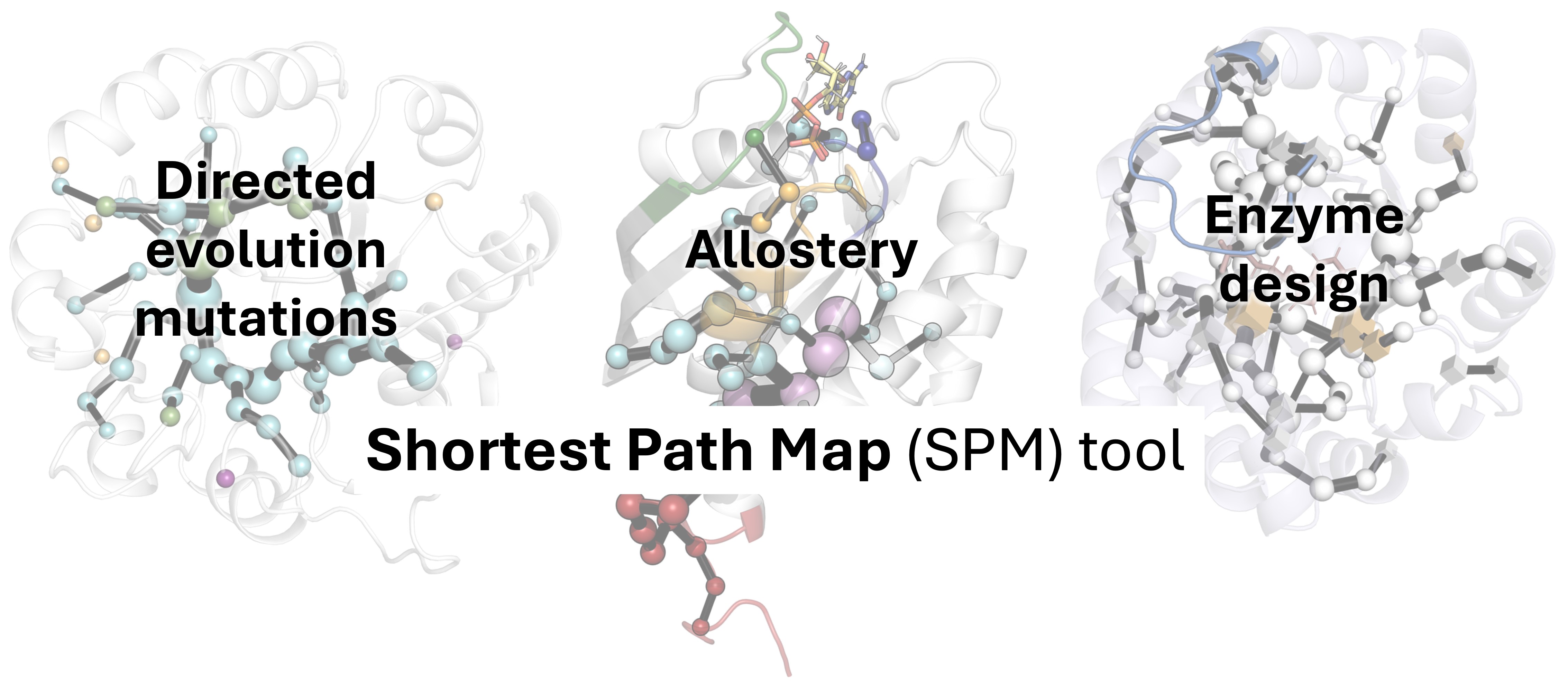
[Outil Shortest Path Map à base de corrélations pour capturer les réseaux allostériques fonctionnellement pertinents et son application dans la conception d’enzymes]

[Électrodes de carbone sérigraphiées comme outil pour la découverte et la caractérisation de nouvelles enzymes actives sur la biomasse lignocellulosique]
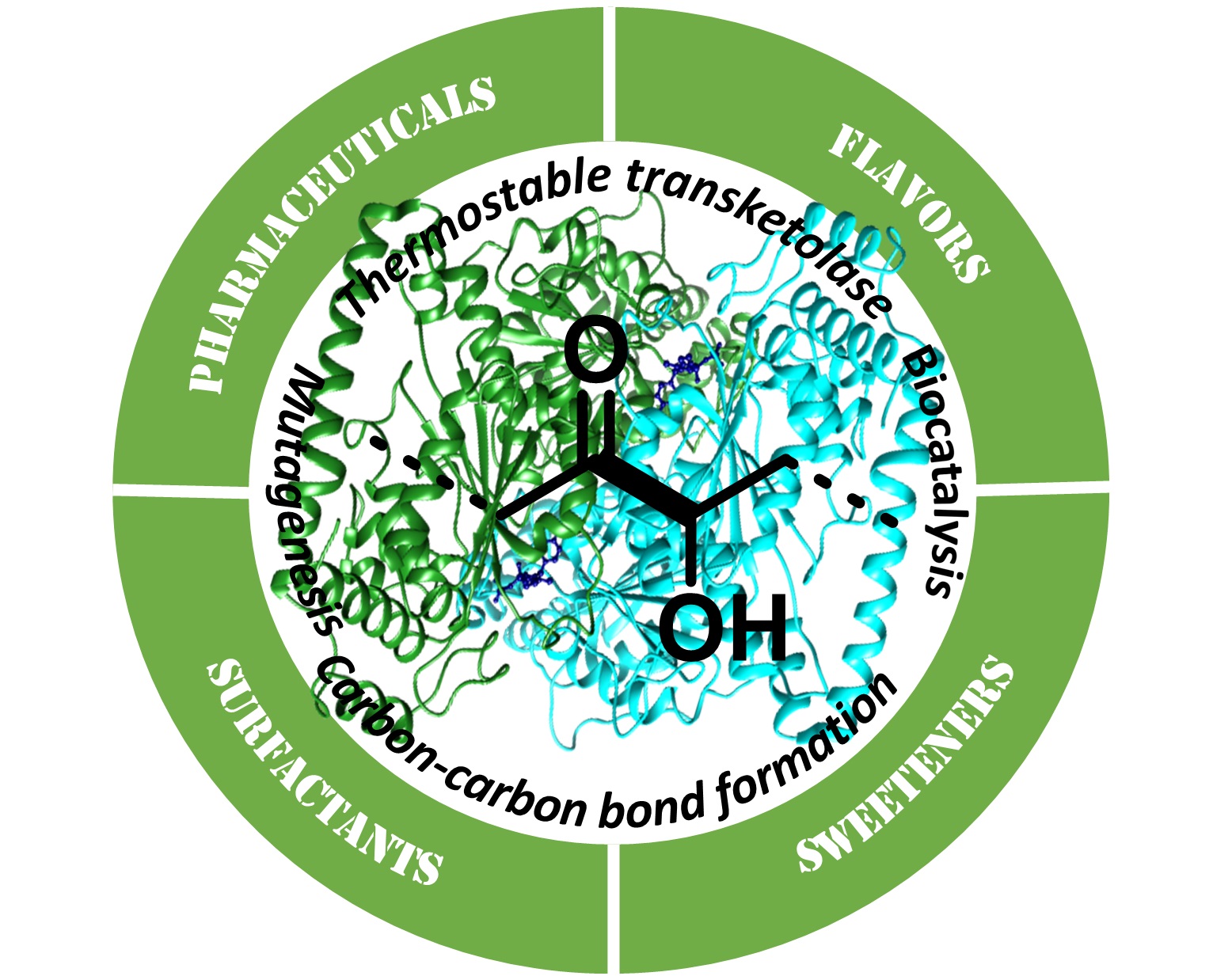
[Extension des méthodes de carboligation enzymatique : synthèse d’α-hydroxycétones catalysée par la transcétolase thermostable de Geobacillus stearothermophilus]

[Hydratation régiosélective du géraniol par les fumarases d’Escherichia coli dans des biotransformations en cellules entières]
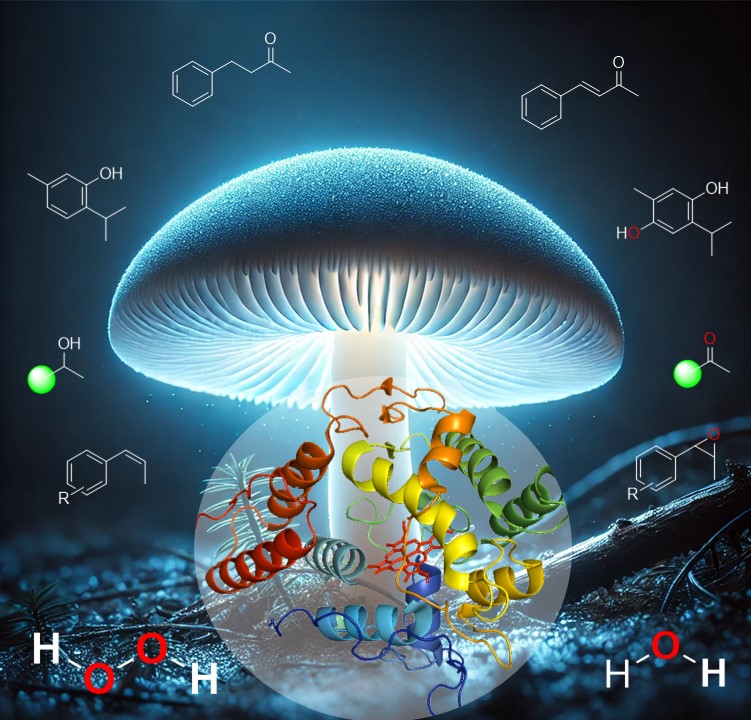
[De la caractérisation aux applications biocatalytiques de deux peroxygénases de Collariella virescens et Daldinia caldariorum]
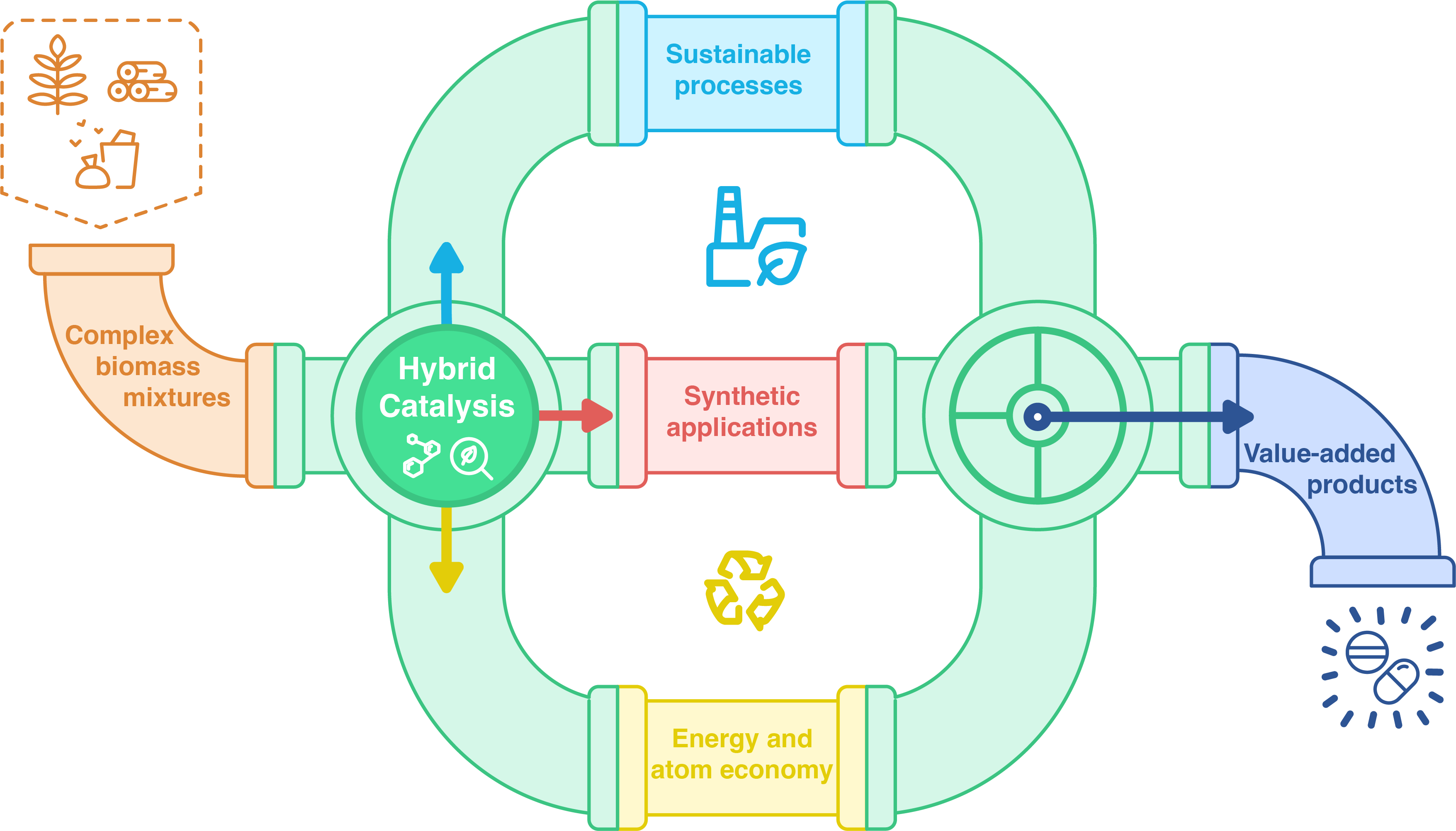
[La catalyse hybride : un outil efficace pour la valorisation de la biomasse et la production de nouvelles briques moléculaires pour la chimie]

[La biocatalyse, une boîte à outils formidable pour la valorisation de la biomasse]
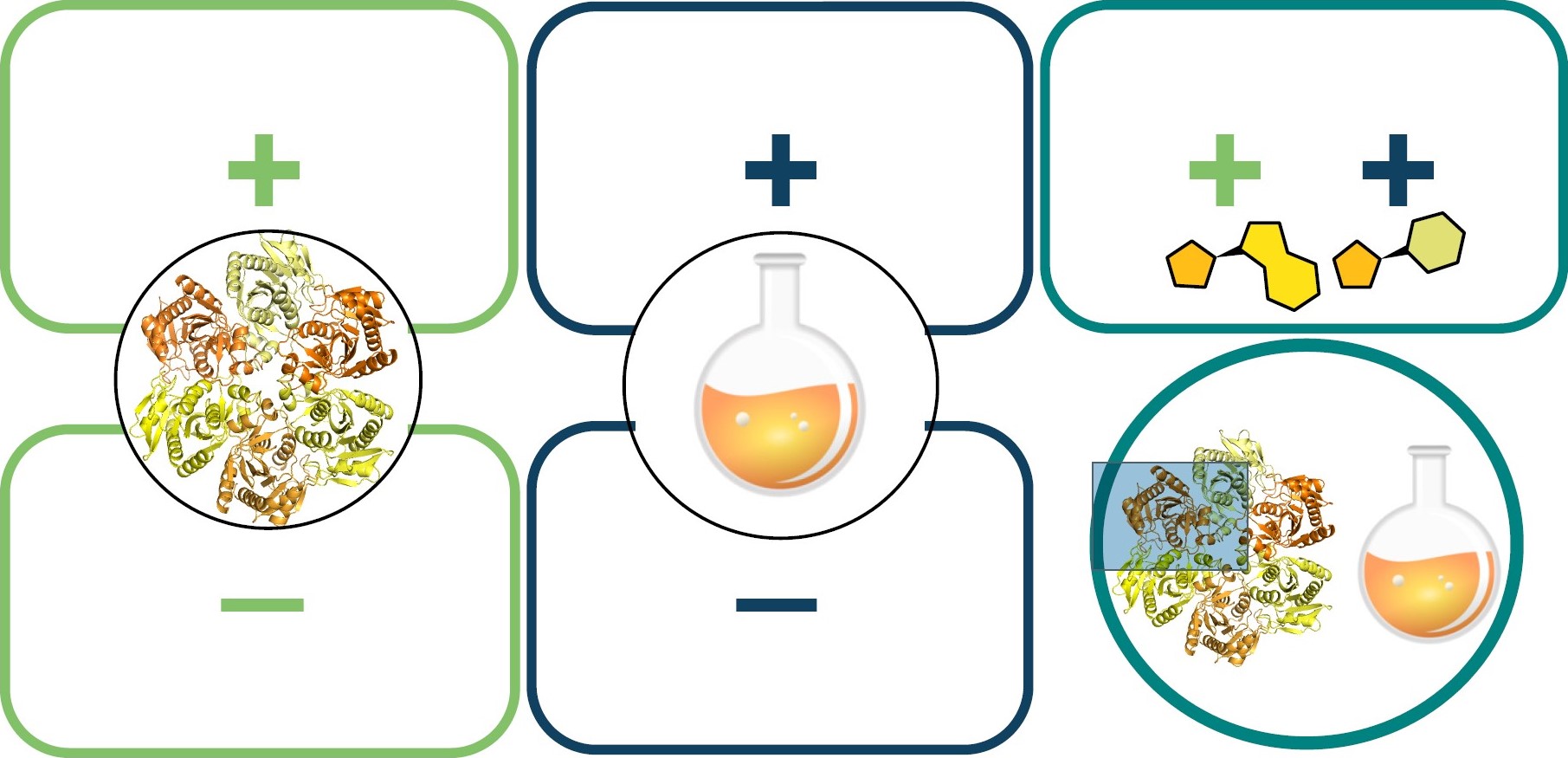
[Chimie des nucléosides : Un défi qu’il vaut mieux relever ensemble]
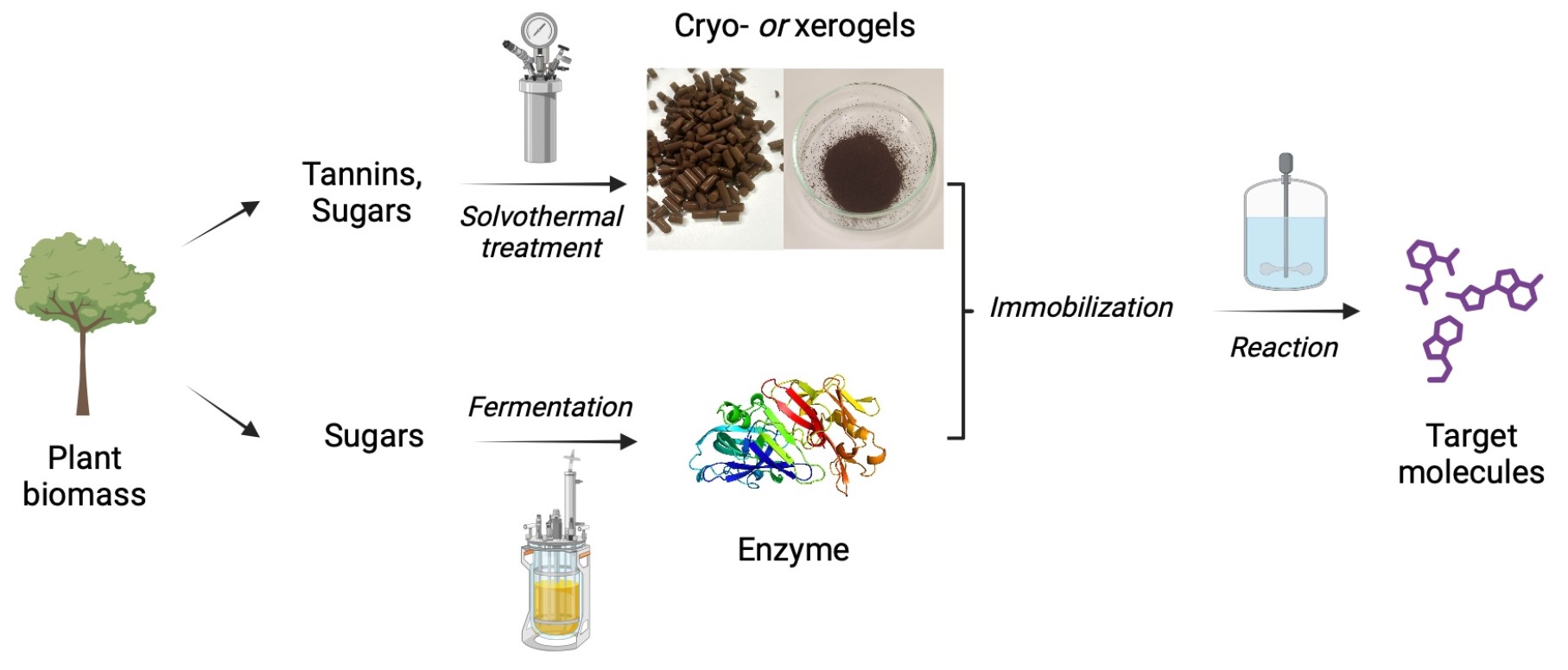
[Matériaux supports innovants pour la promotion de l’immobilisation des enzymes dans la biocatalyse industrielle]
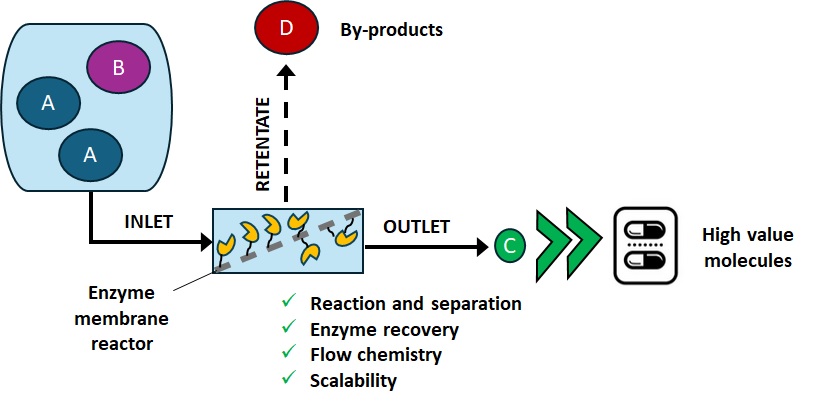
[Réacteurs membranaires enzymatiques : tendances et applications récentes pour la production de composés à haute valeur ajoutée et de molécules pharmaceutiques]

[Biocatalyse dans les réacteurs à lit fixe : l’immobilisation comme technologie clé]

[Accélération de l’implémentation de la biocatalyse dans le portefeuille de recherche et développement pharmaceutique]
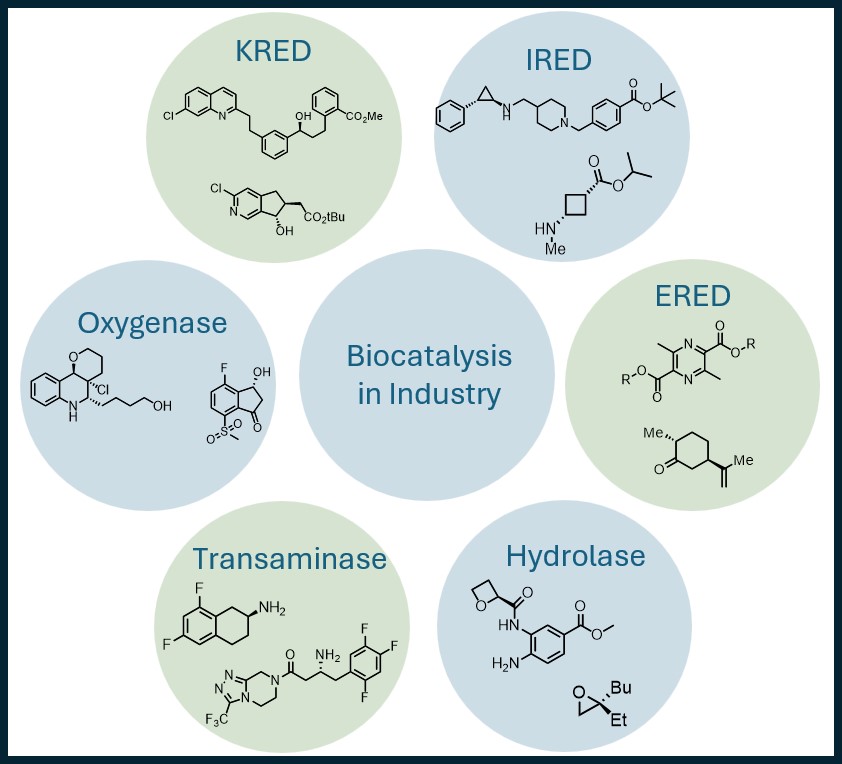
[Exemples pratiques de biocatalyse dans l’industrie]